



Lyme Academy of Fine Arts
Founded in 1976, Lyme Academy of Fine Arts is a nonprofit art school rooted in the traditions of figurative drawing, painting, and sculpture. Located along the Connecticut River and nestled within the historic Lyme Art Colony, the Academy is known for its rigorous, skills-based training and enduring commitment to craft.
Order developed an identity system that reflects the Academy’s legacy, resilience, and dedication to disciplined training, while recognizing the academy’s contemporary landscape.
Collaborators
—
Jesse Reed, Partner
Emily Klaebe, Designer
Megan Nardini, Operations
Brooklyn Office
Lyme, Connecticut
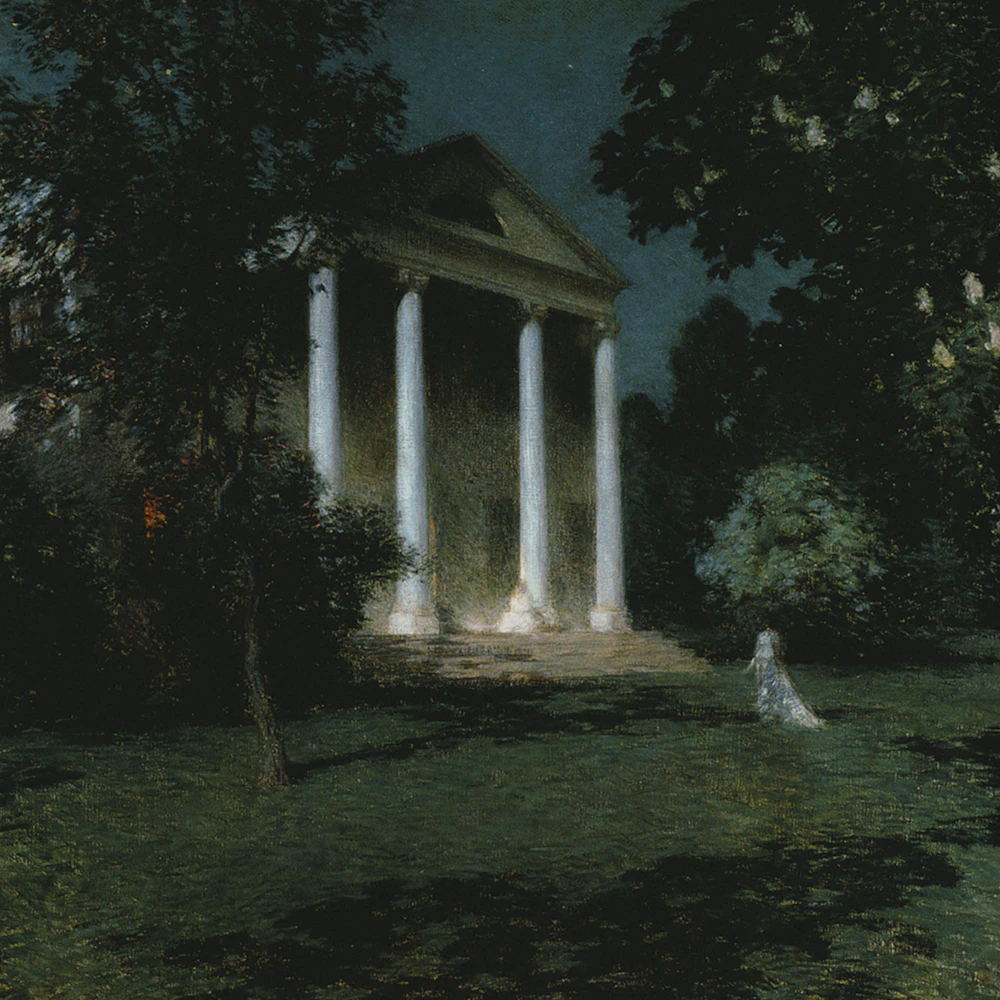
Old Lyme, Connecticut emerged as a hub for early American Impressionists, drawn by New England’s quiet seclusion and luminous coastal landscape.
Its marshes, fields, and shifting light fostered a close-knit artist community and shaped a distinctly American approach to Impressionism rooted in place and observation.

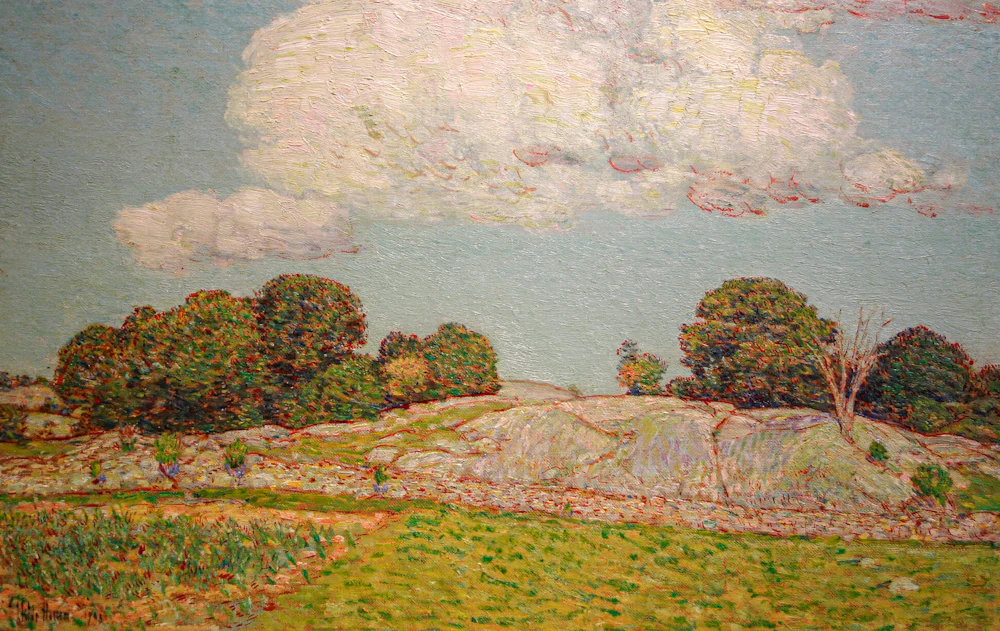

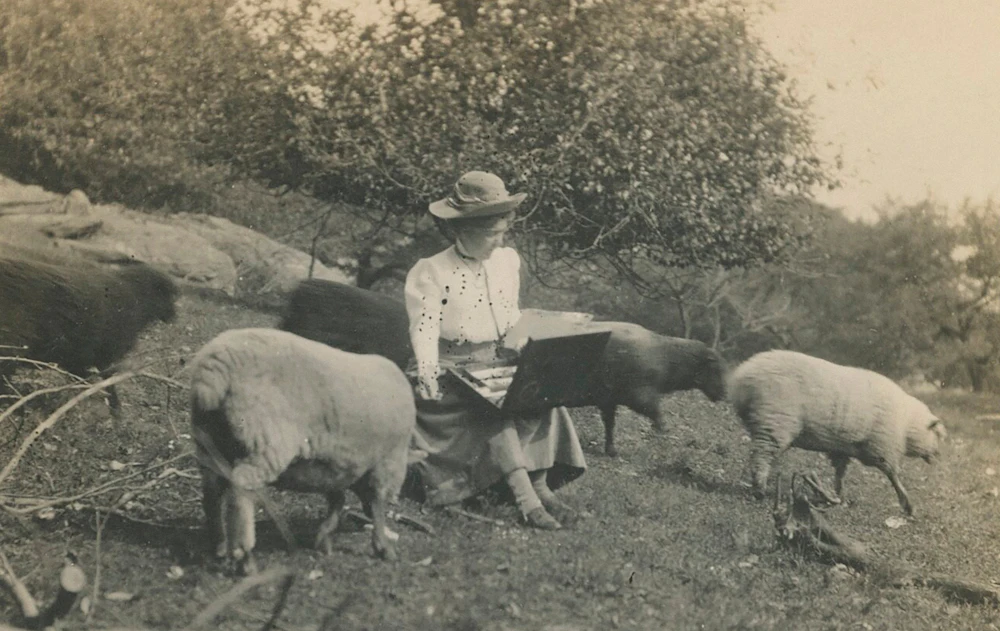

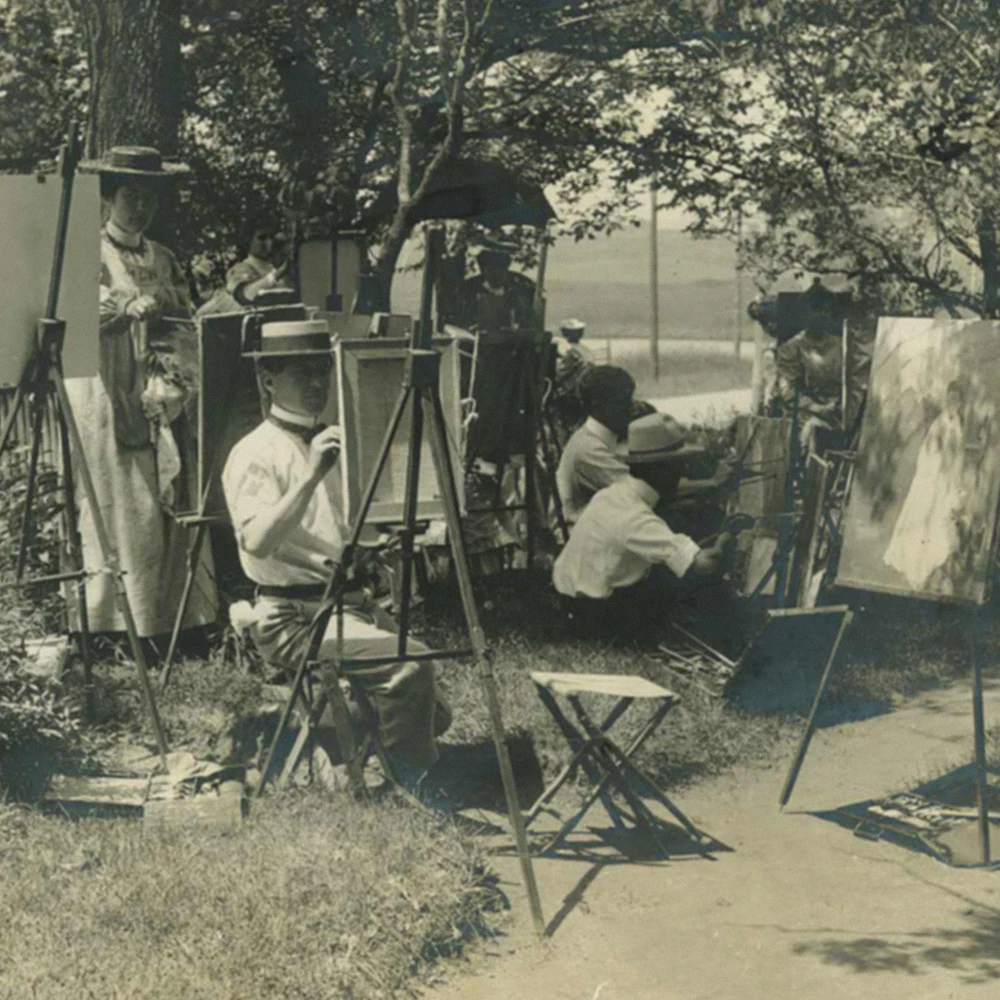
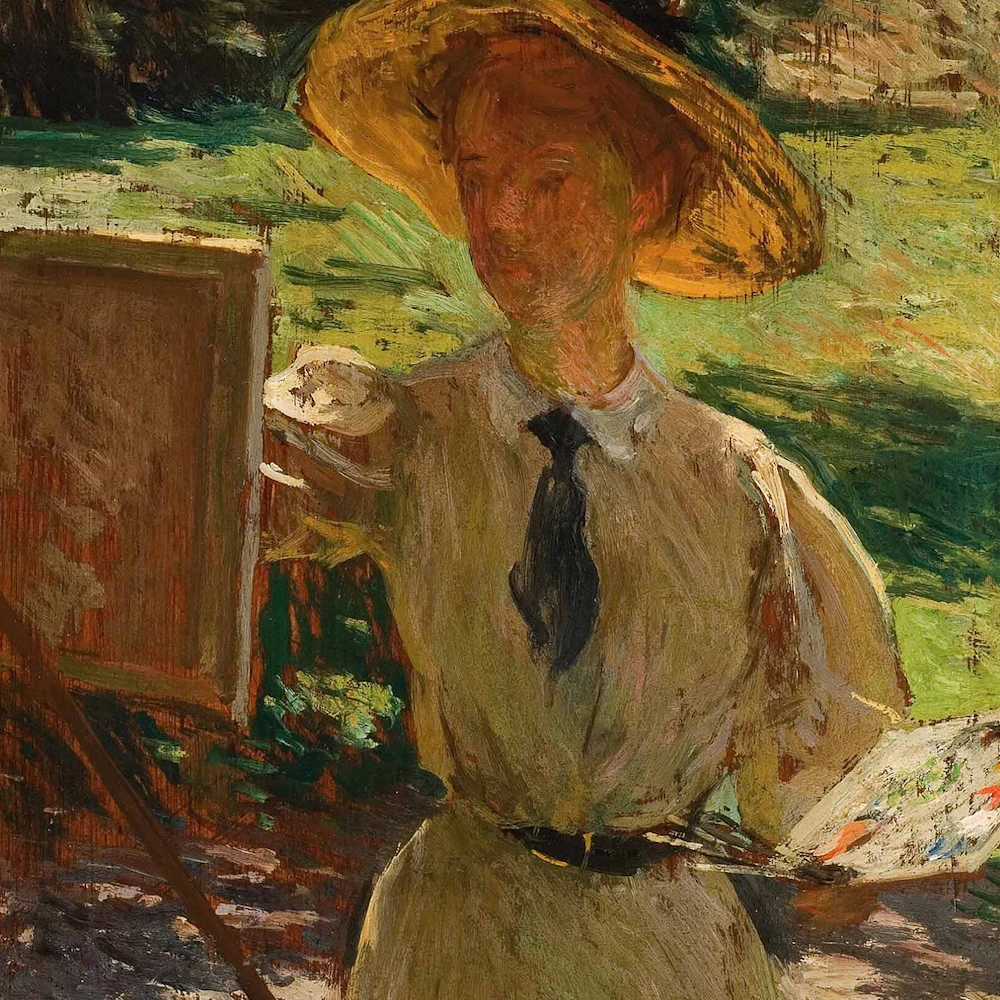
Artists gather outdoors in the Lyme Art Colony, working side by side in a shared practice of observation and exchange.

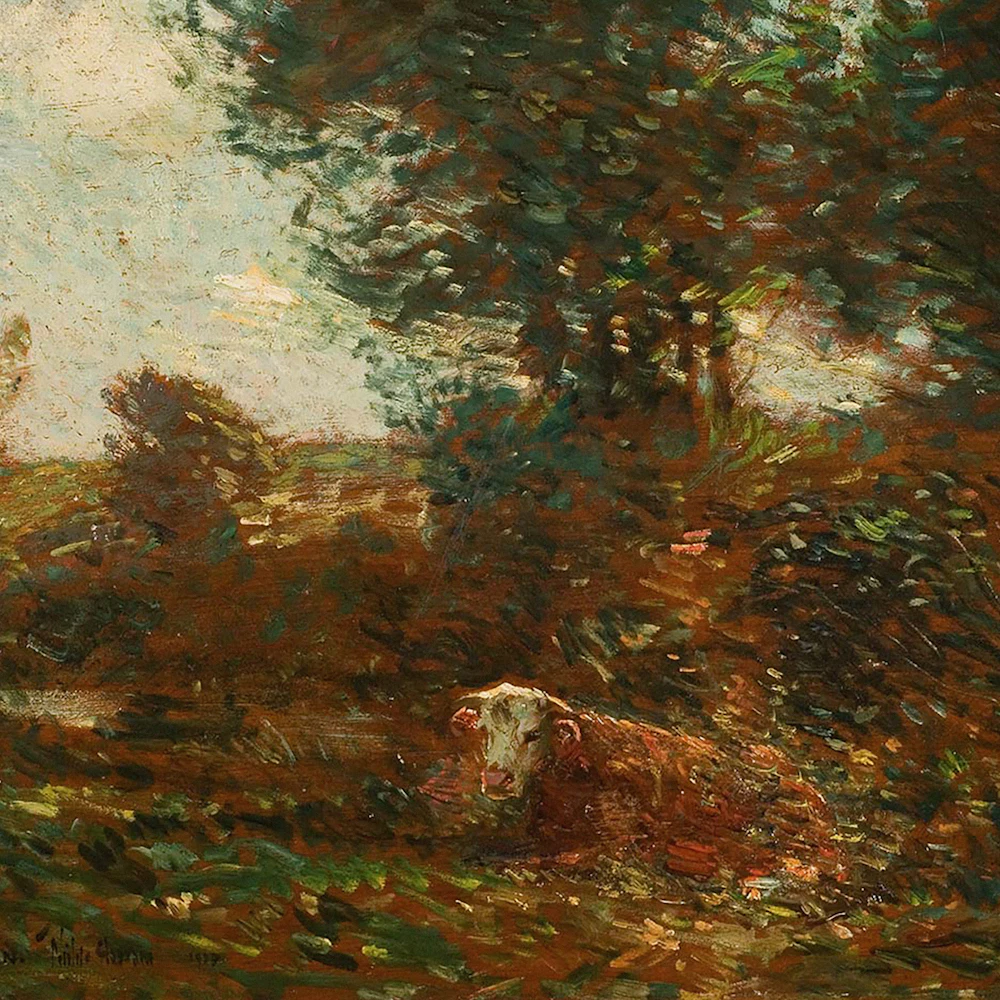
Among many artists who shaped the Lyme Art Colony, figures like Childe Hassam, Matilda Browne, Henry Rankin Poore, Willard Metcalf, and Walter Griffin helped transform Old Lyme into a nationally recognized art and cultural region.

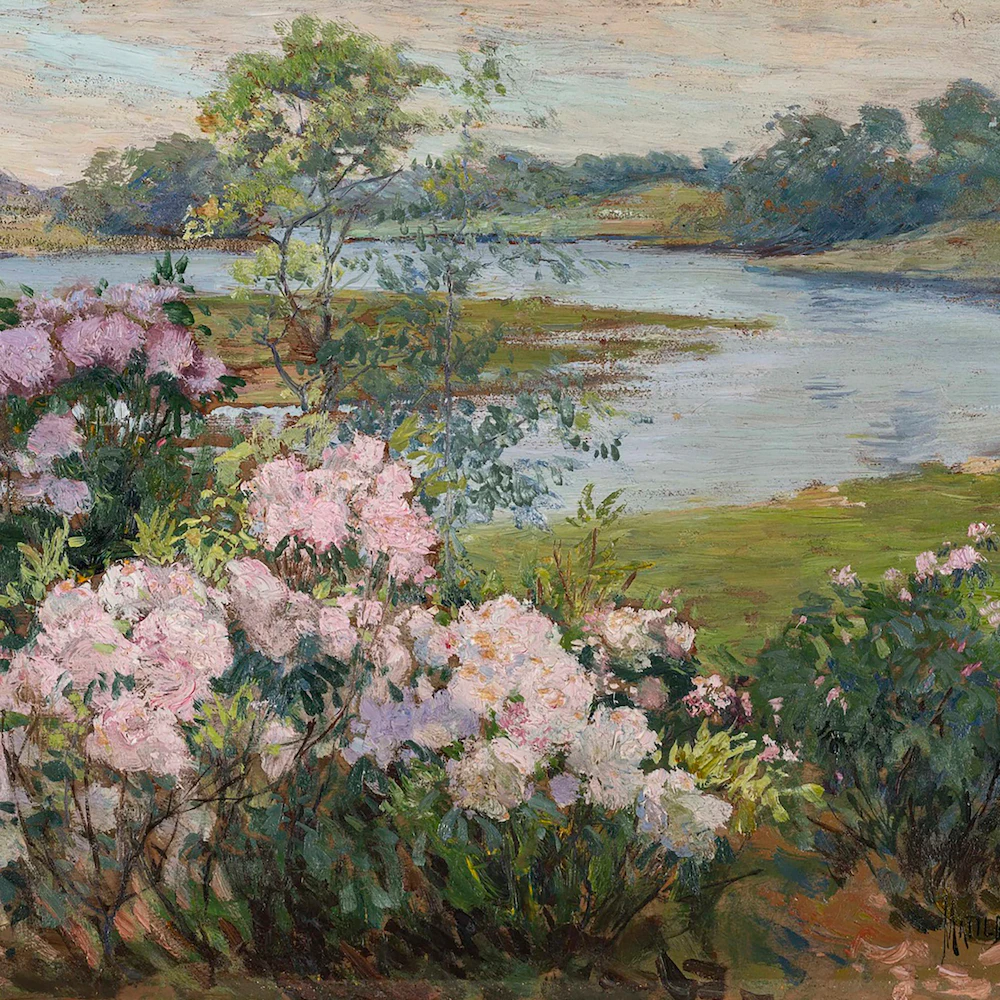
Full image credits below.


Founding Lyme Academy
Lyme Academy of Fine Arts was founded in 1976 by sculptor Elisabeth Gordon Chandler, who, in quiet defiance of the era’s avant-garde currents, sought to preserve and carry forward the enduring traditions of figurative and representational art. One of her primary artistic focuses was sculpture.

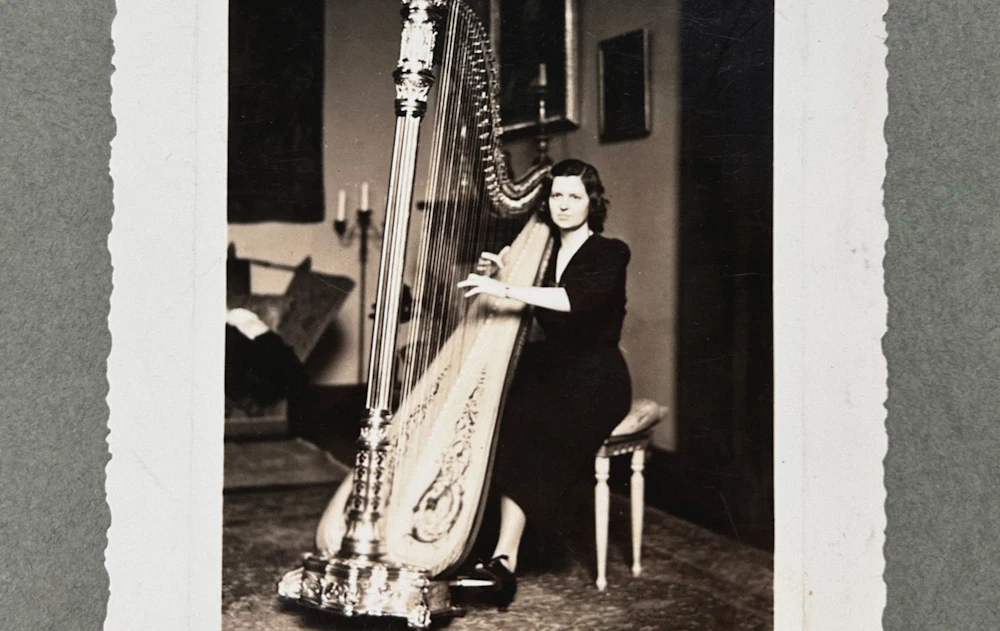
Before turning to sculpture, Elisabeth Gordon Chandler trained and performed professionally as a harpist, bringing the same discipline and artistry from music into her later work in figurative sculpture.

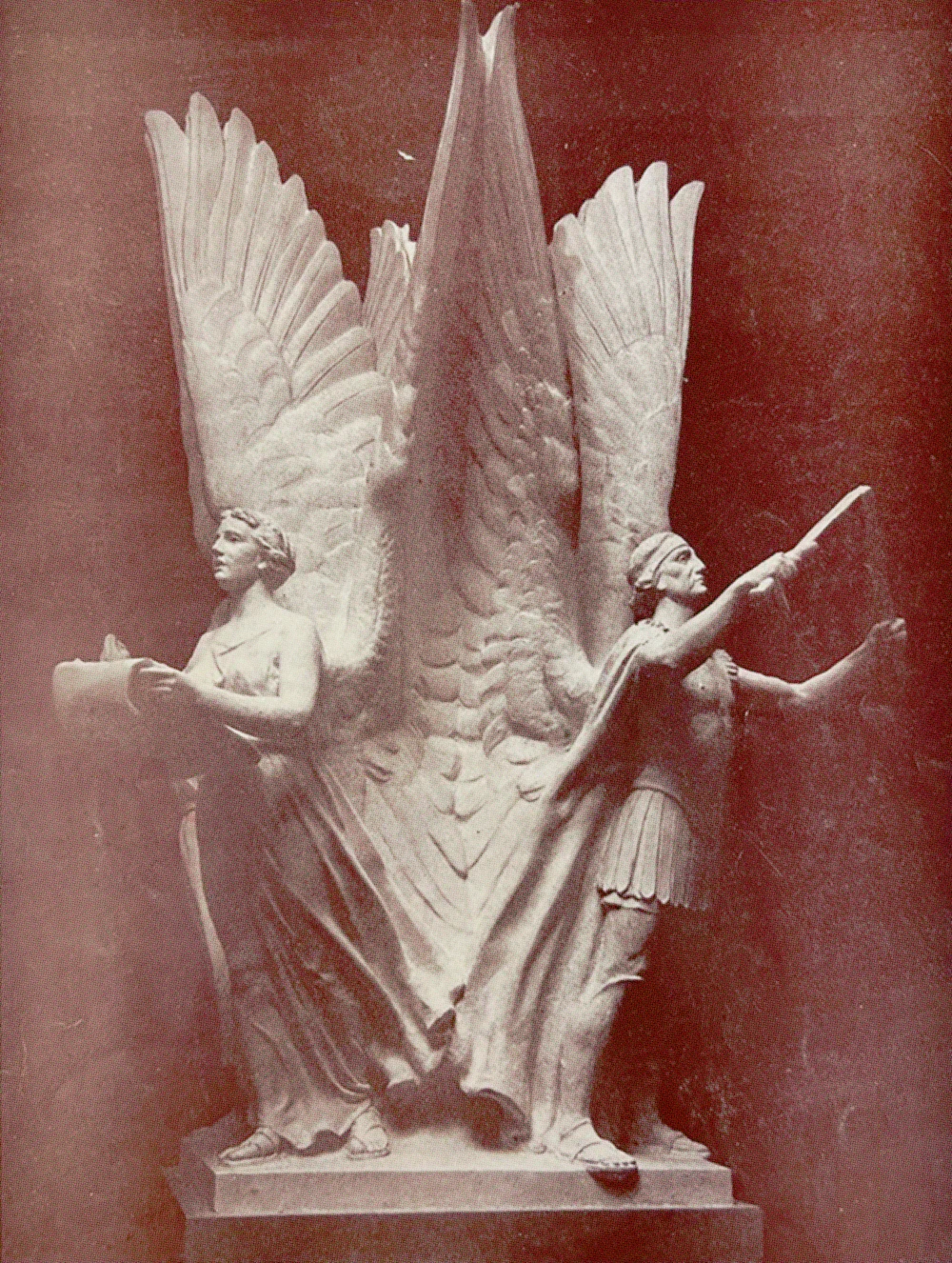
From 1940 to 1942, Chandler operated as a Sculpture Assistant to Walter Russell, working on the monument, “Four Freedoms”.

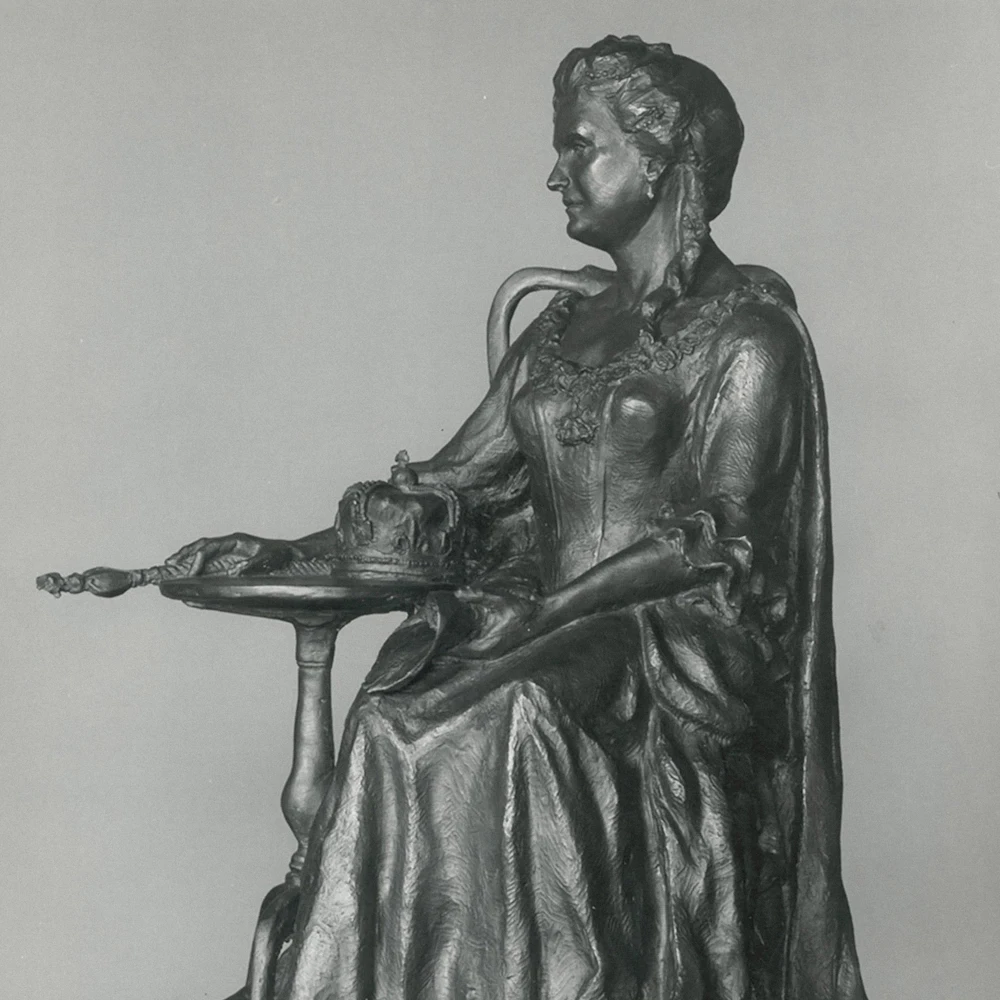
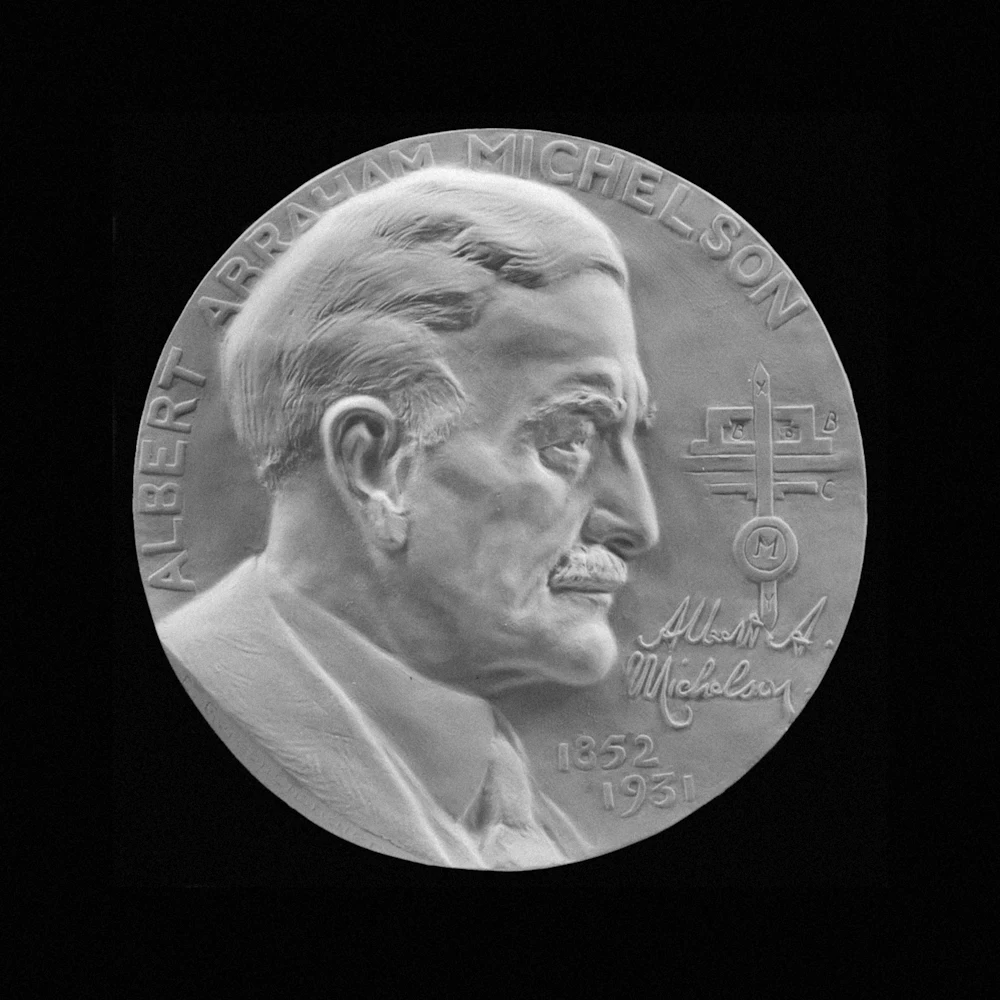
Her sculpting career focused on large-scale public commissions, commemorative pieces, and refined classical figuration.


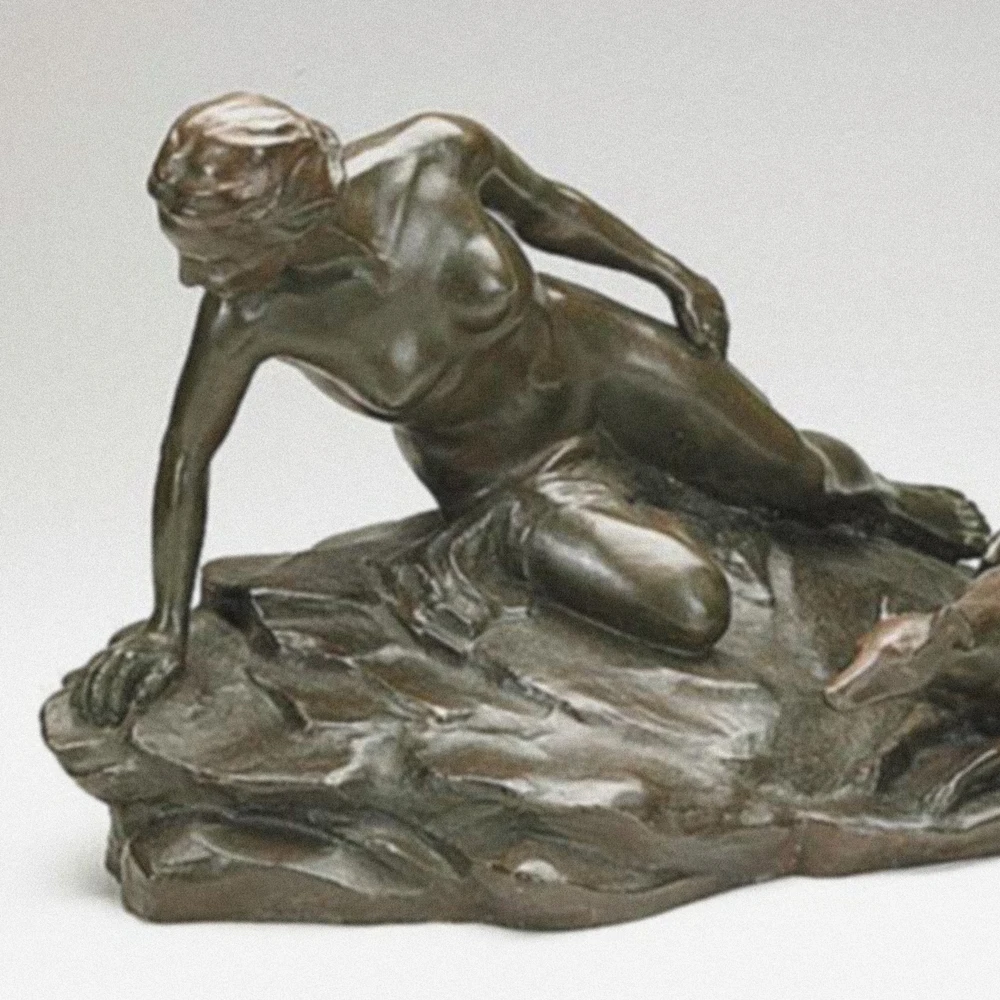
Later in life, Chandler relocated to Connecticut by way of New York. She dove back into her artistic endeavors by hosting sculptor classes.
Chandler founded the Lyme Academy of Fine Arts in 1976.


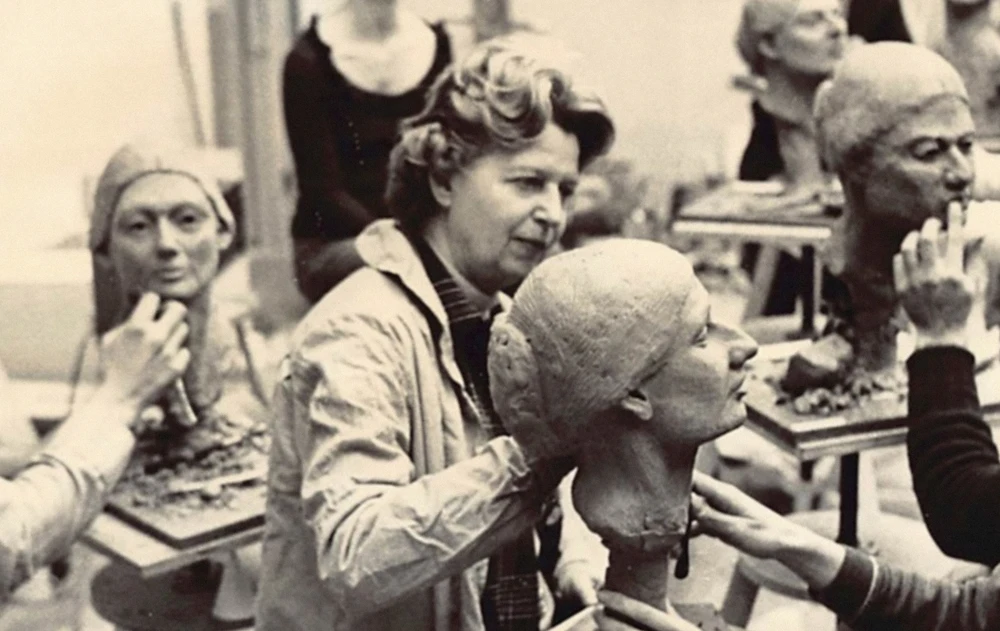
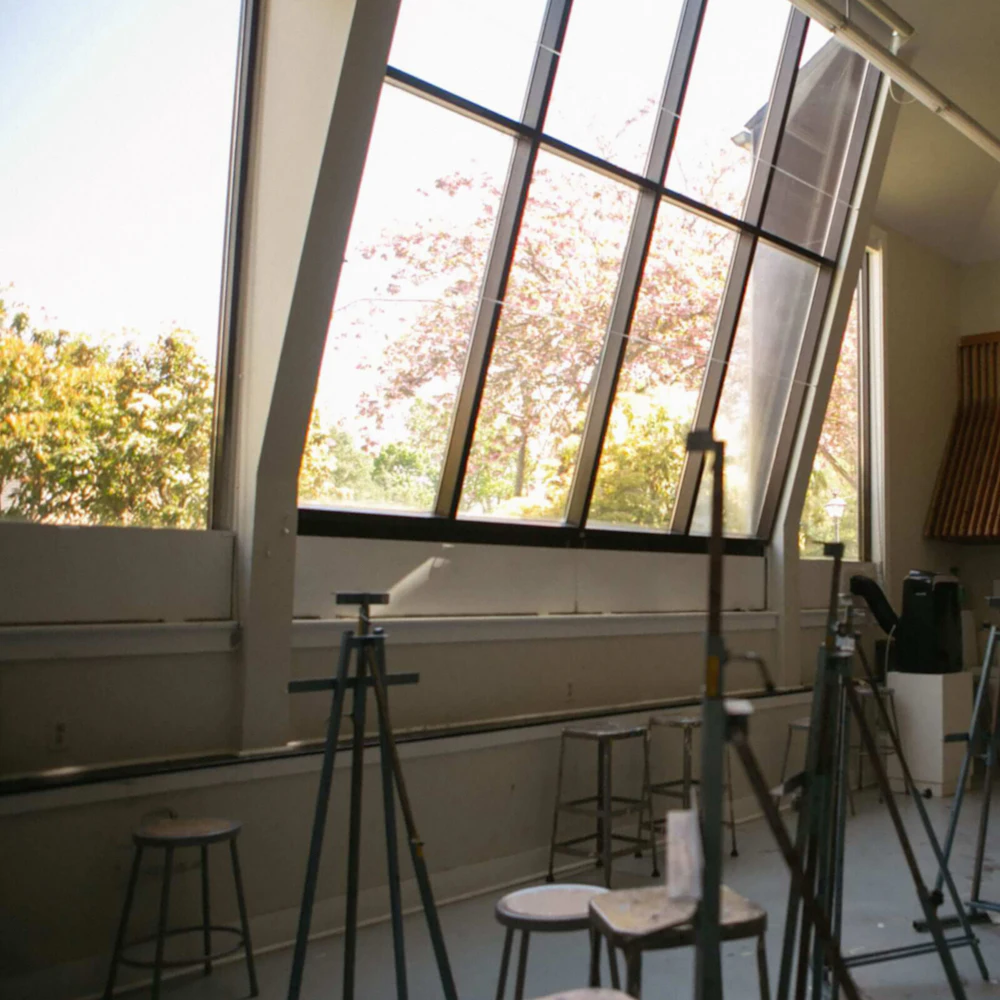
Classes began in a modest, sky-lit studio, quietly rented from the neighboring Lyme Art Association.
By the late 1970s and early 1980s, enrollment swelled as artists from across the country were drawn to the enduring discipline and quiet rigor of these time-honored, skill-based traditions.

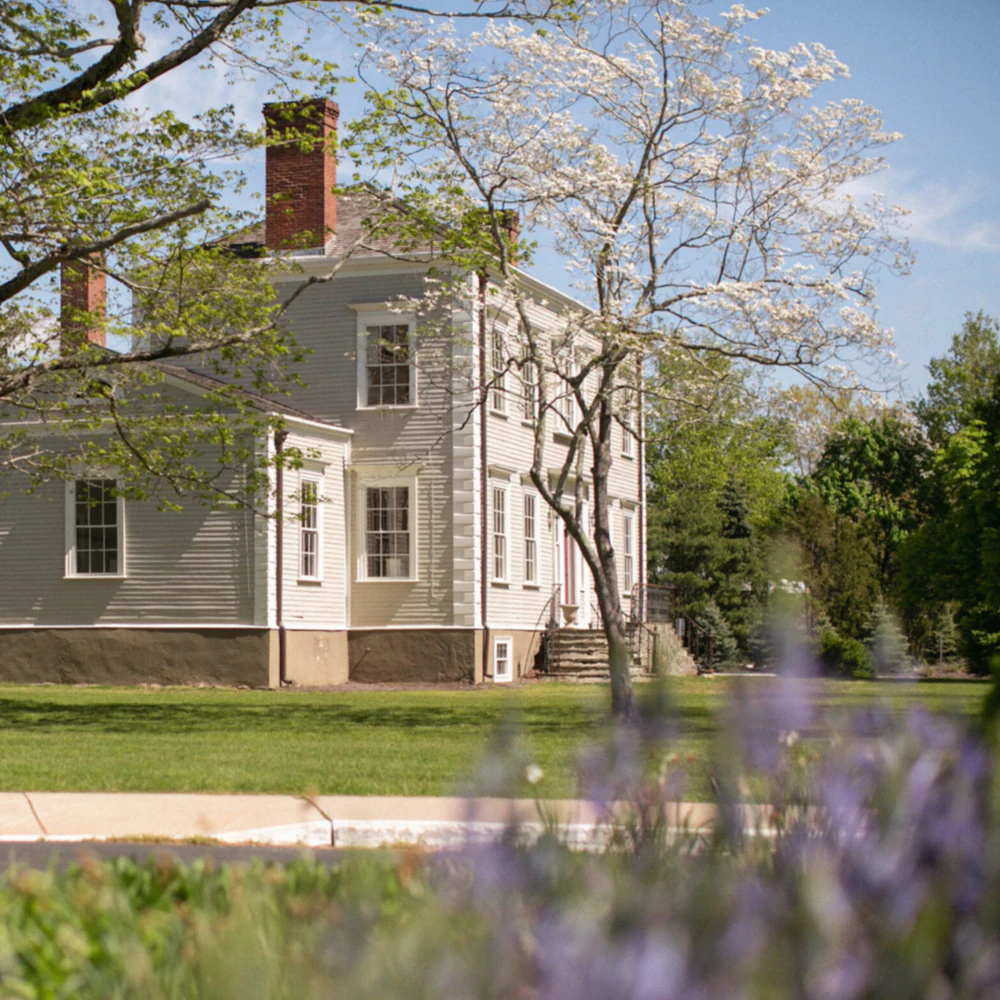
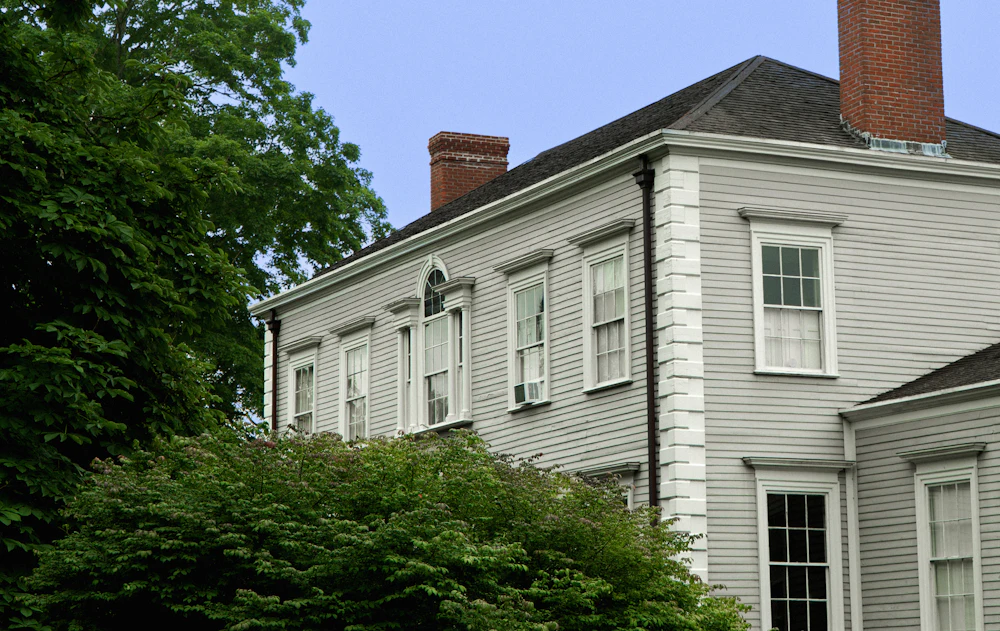
As its reputation deepened and interest steadily grew, the Academy found a lasting home in 1986 with the purchase and careful restoration of the historic John Sill House (1817), which continues to serve as the enduring heart of its campus.

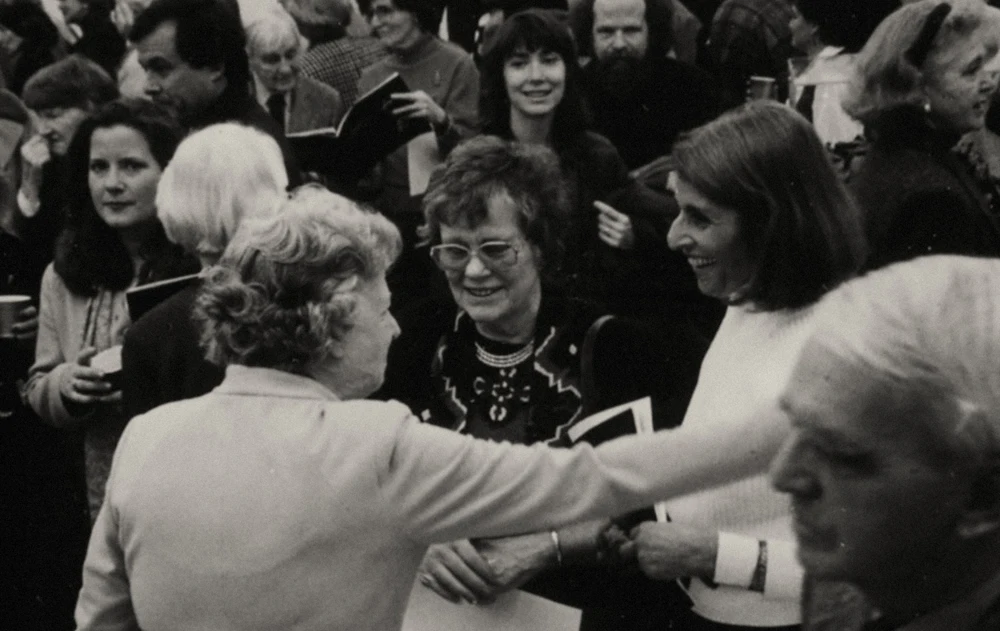

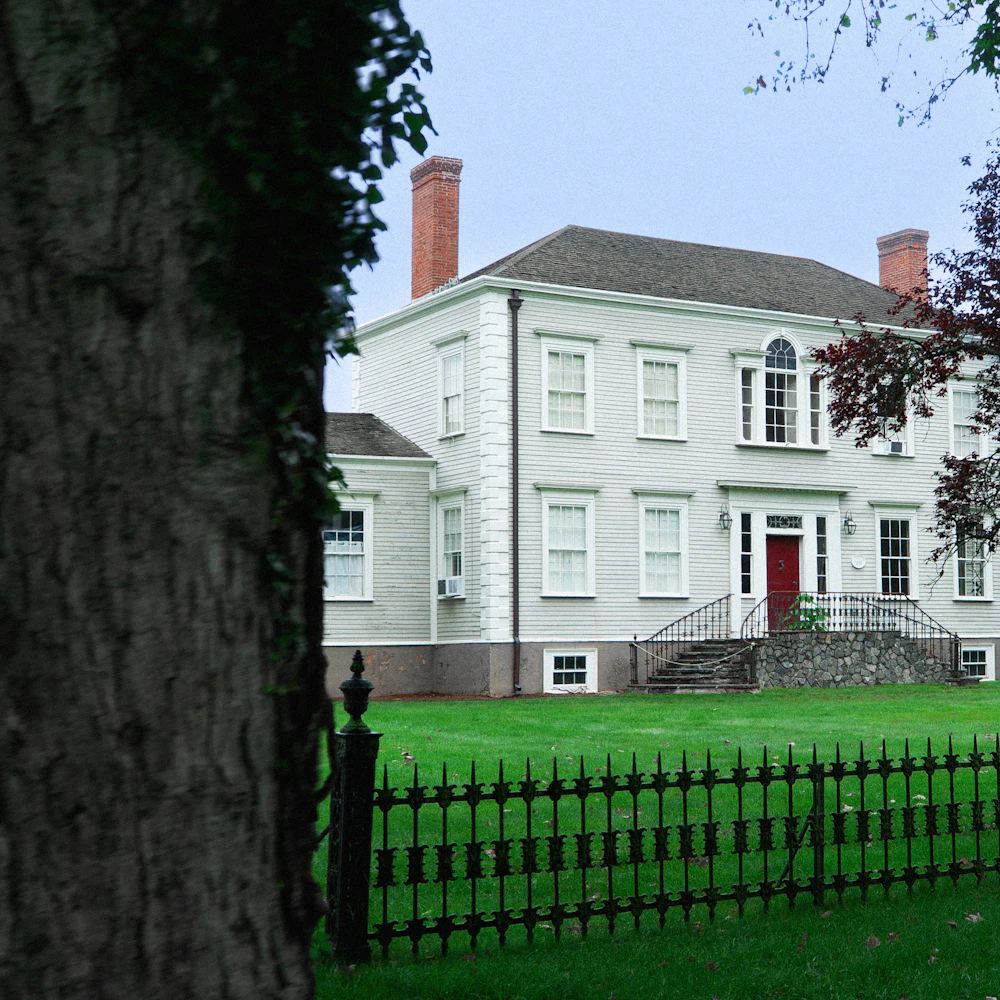

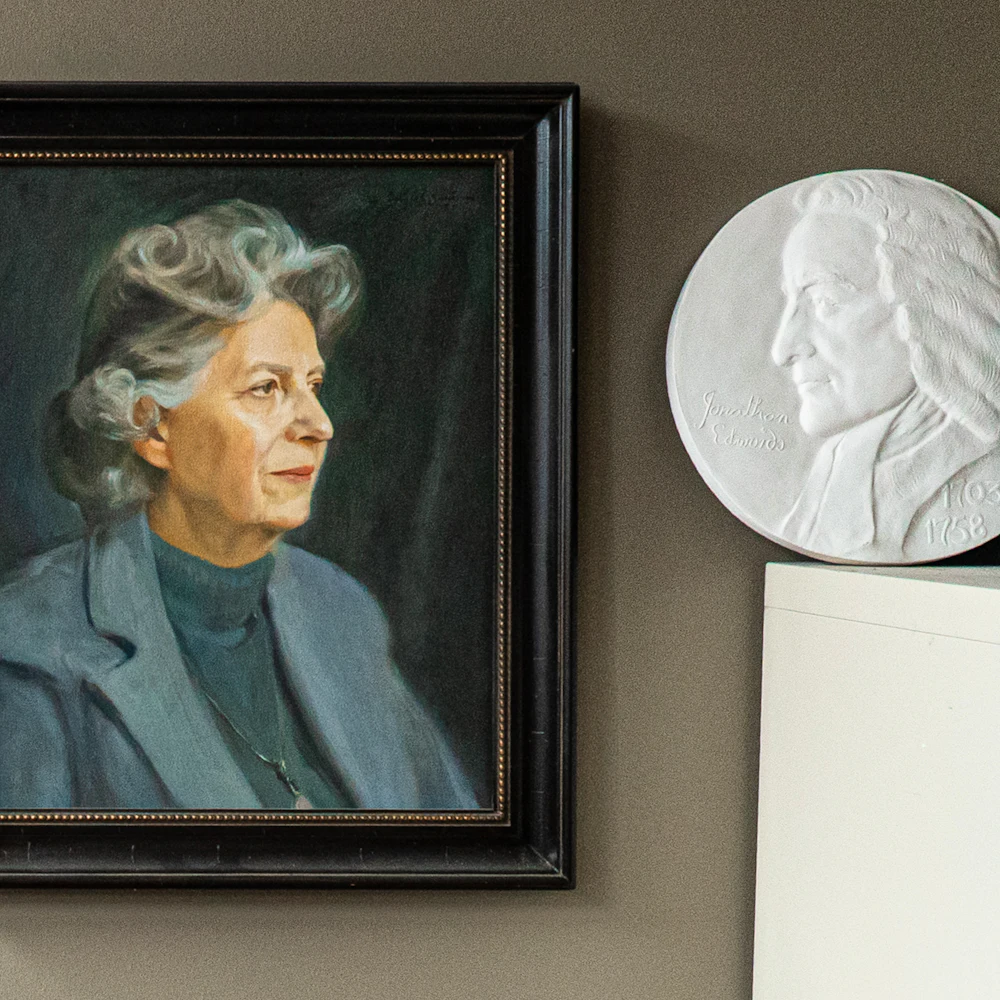
In 2020, under renewed leadership, the Academy turned thoughtfully back to its origins, reaffirming a teaching philosophy grounded in the founding principles of Elisabeth Gordon Chandler.
Close observation, disciplined technique, and a reverence for tradition once again took center stage.
With the arrival of Jordan Sokol and Amaya Gurpide as new creative leadership, the Academy entered a period of renewal shaped by the duo’s vast experience, notably at the Florence Academy of Art, among other institutions.
Drawing on years of experience within an atelier-based system, they brought a revitalized commitment to observational practice, draftsmanship, and the enduring values of classical art education.

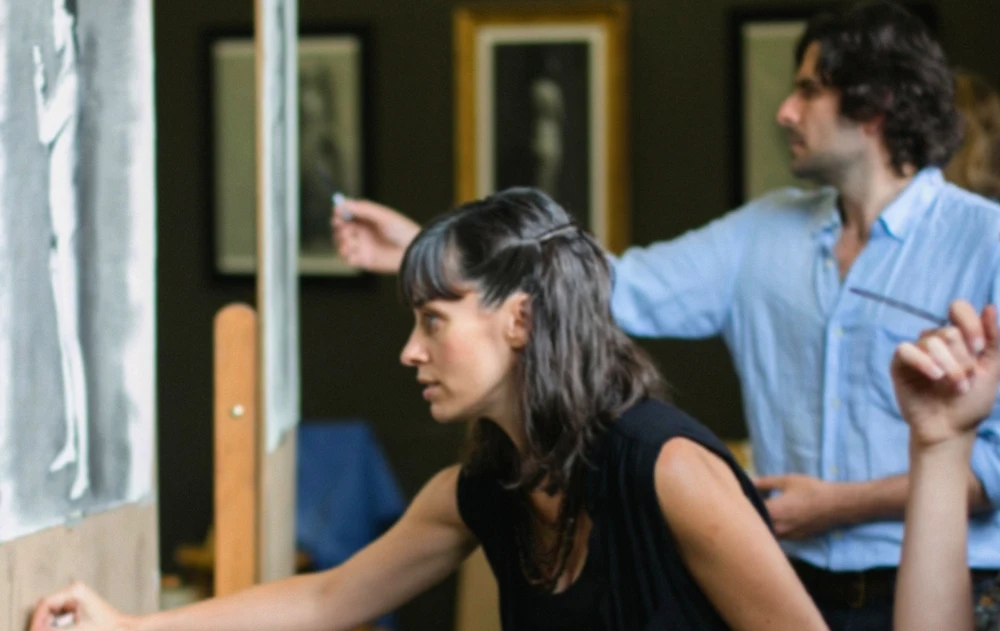


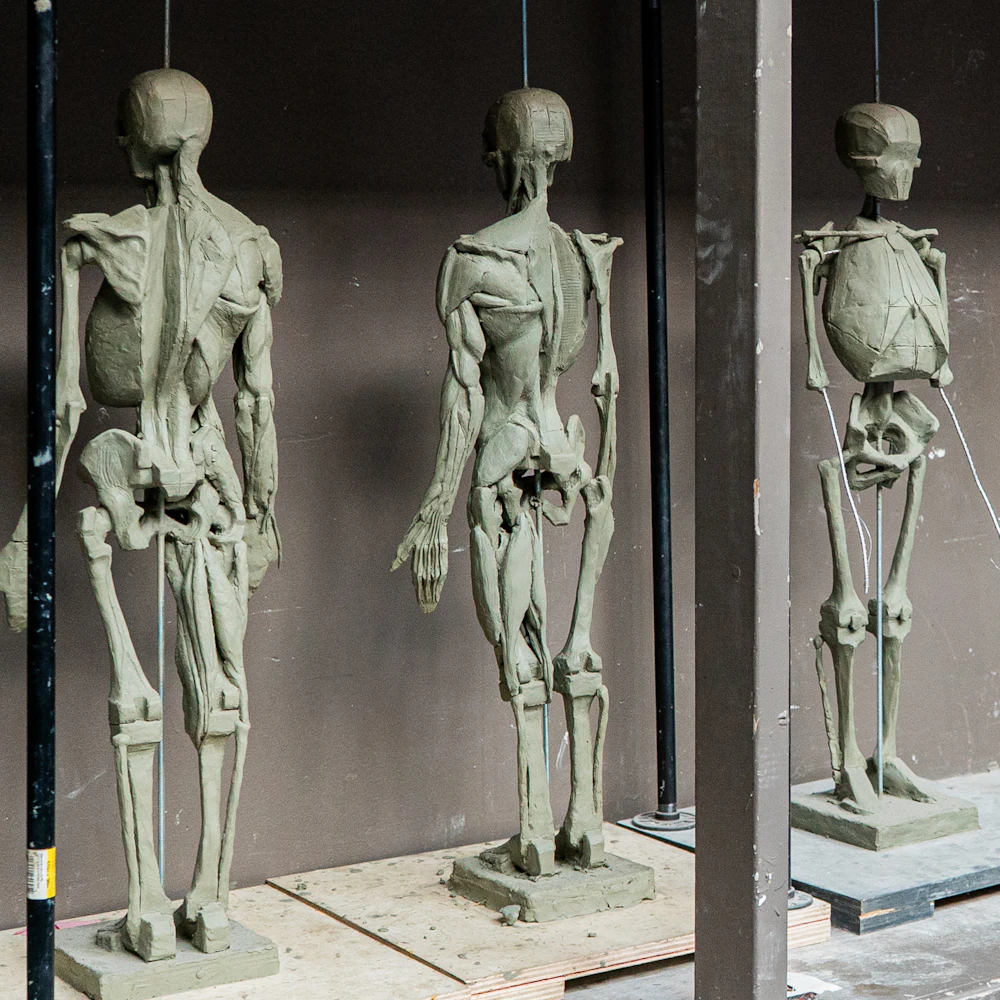

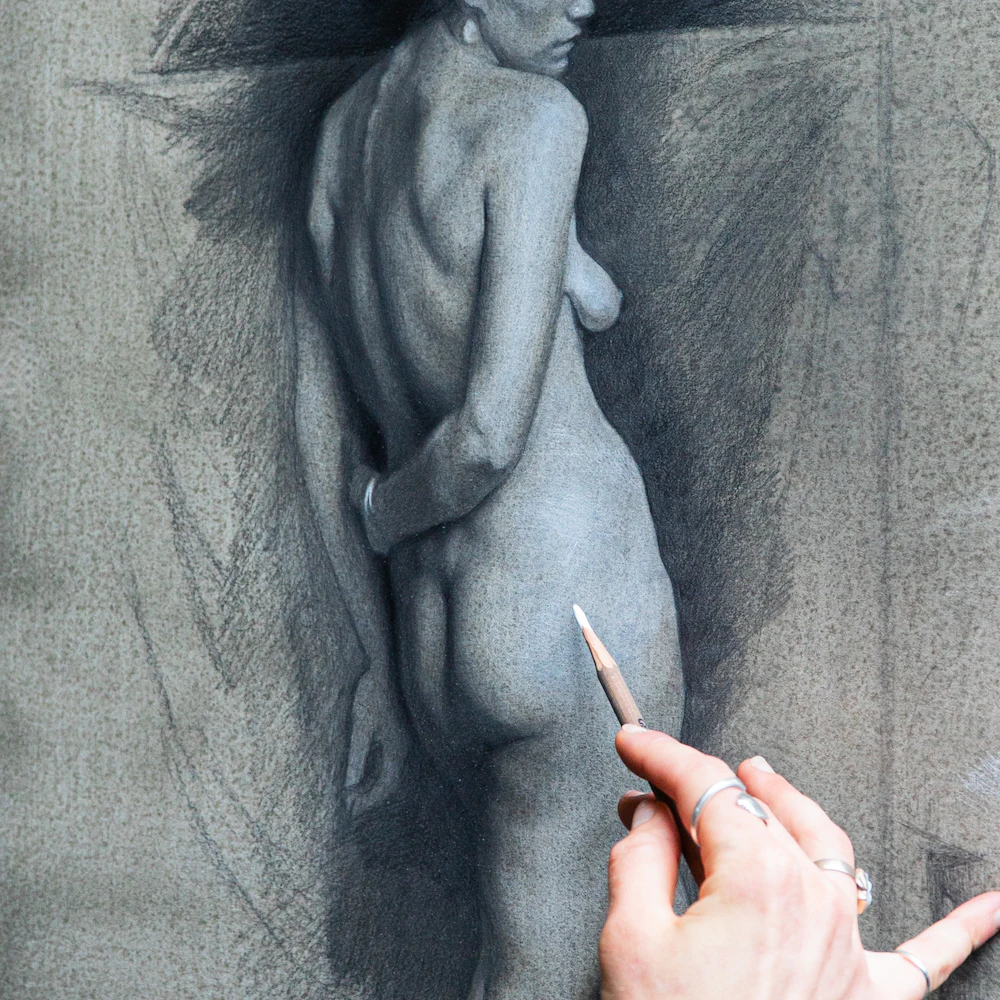


Traditional practice.

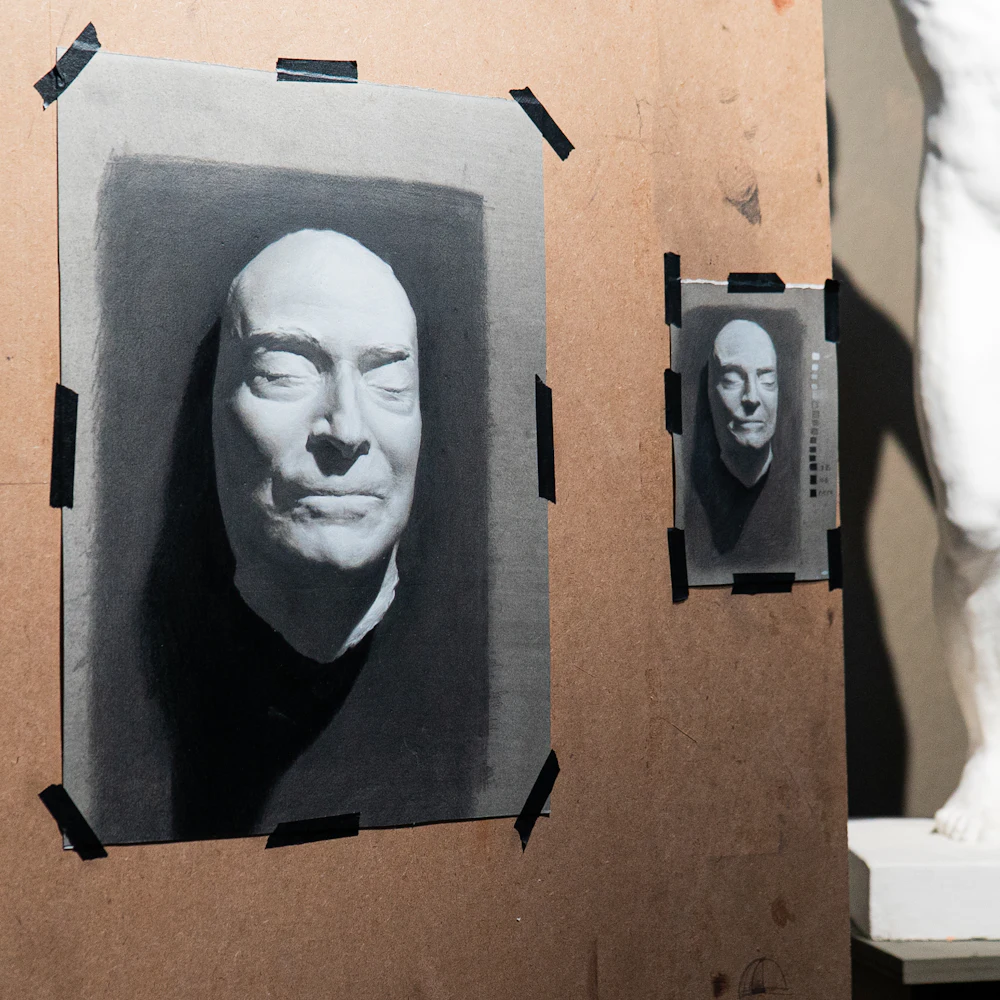
Iterative process.


Exceptional quality.

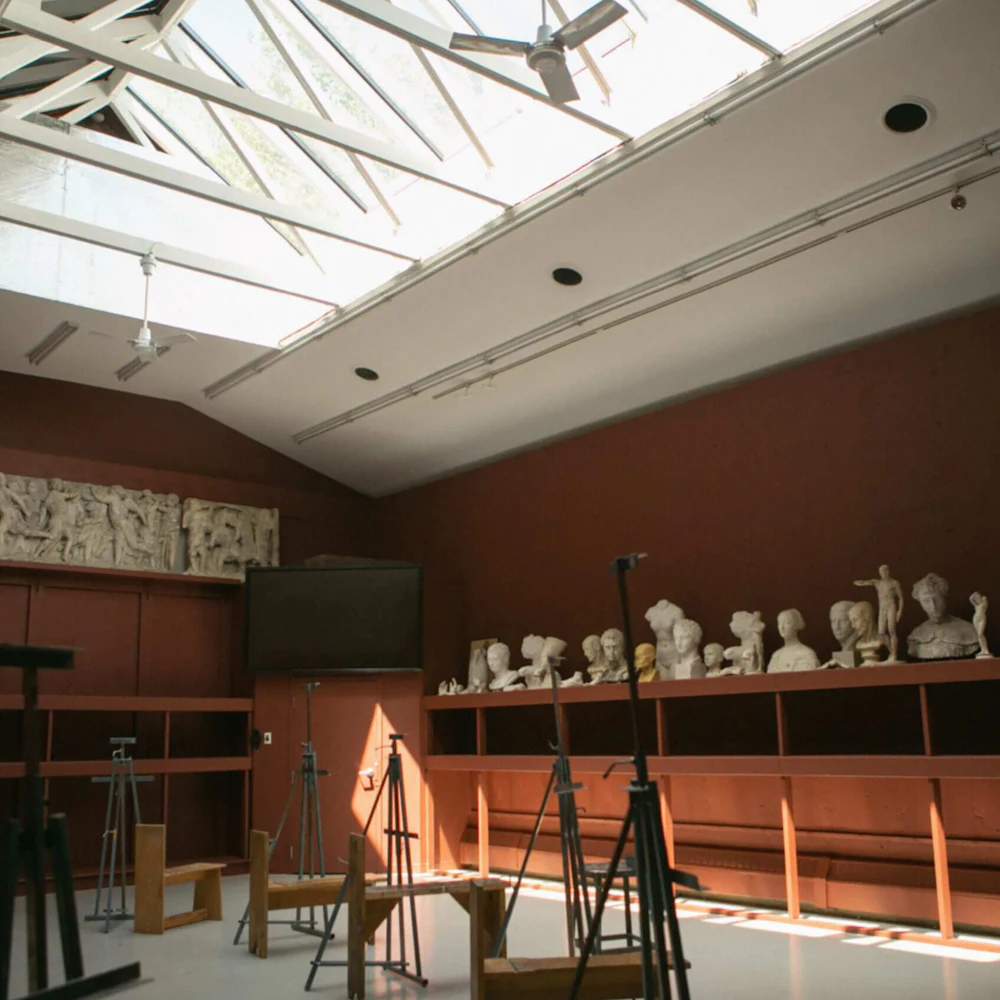

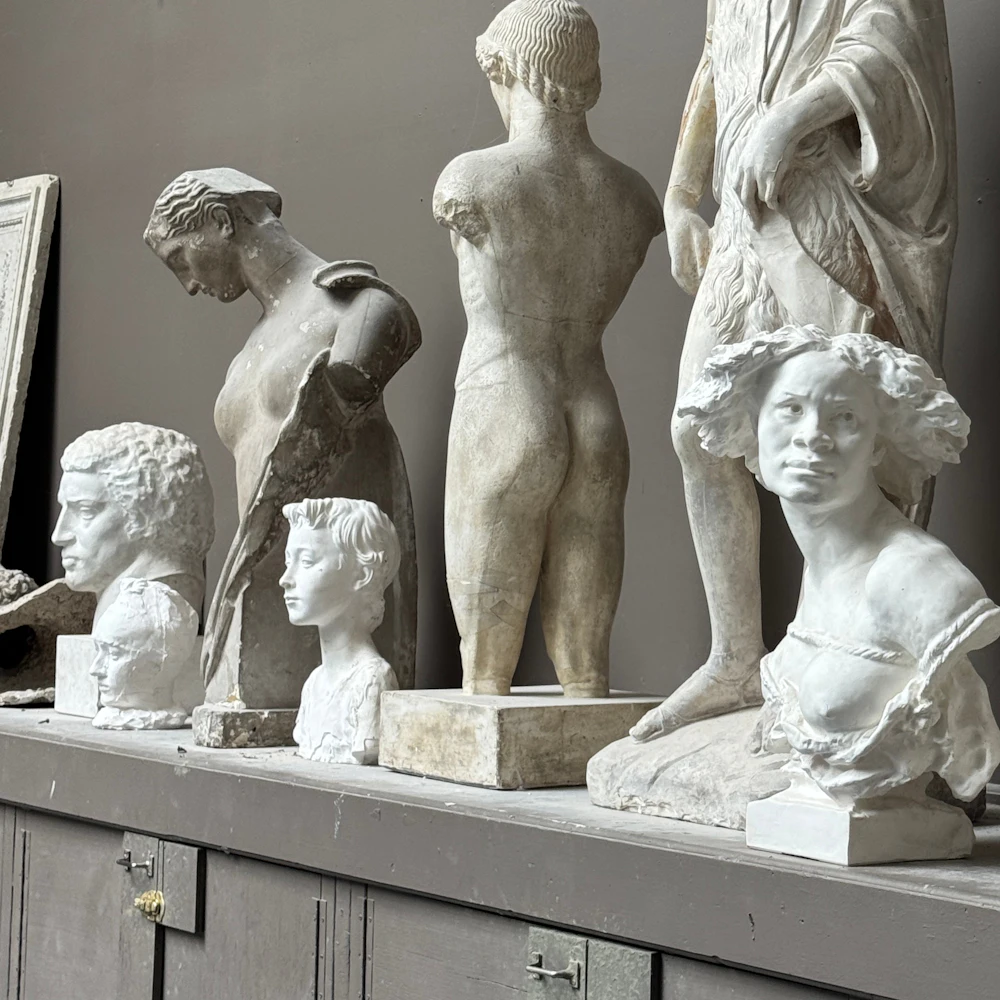
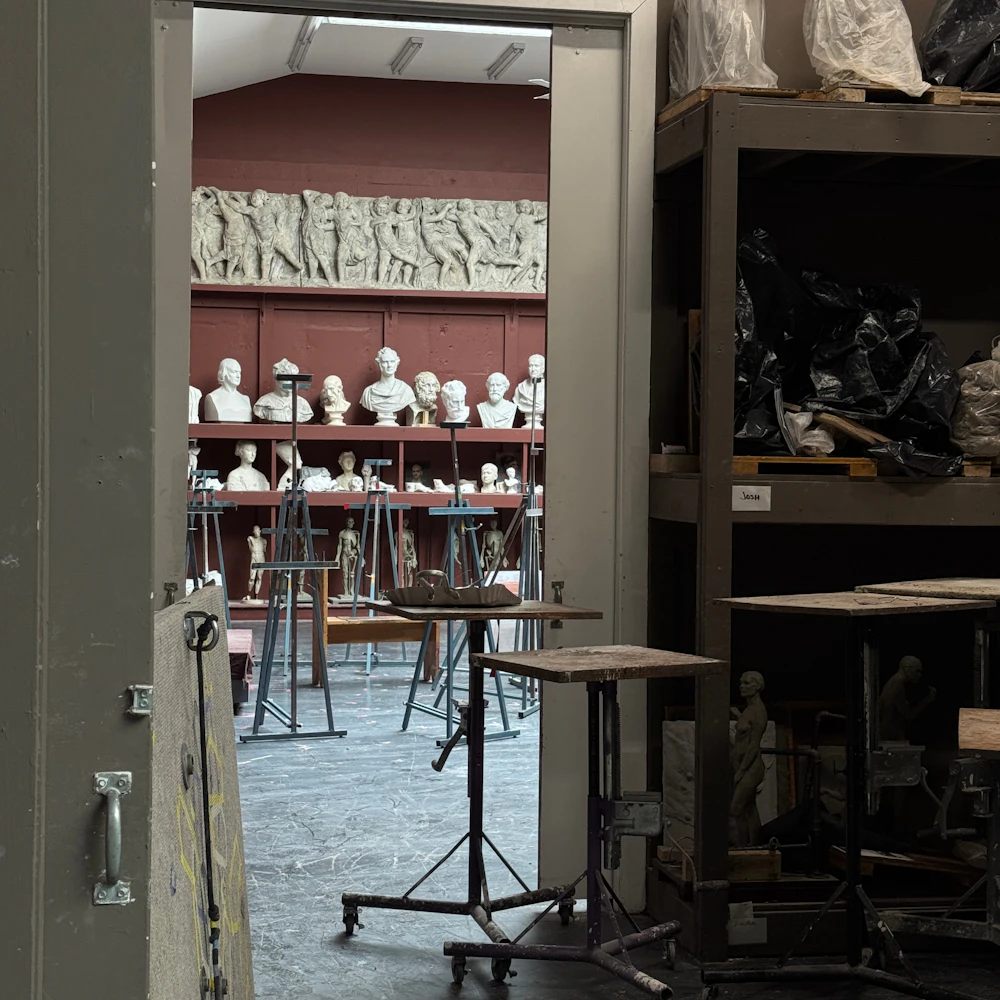
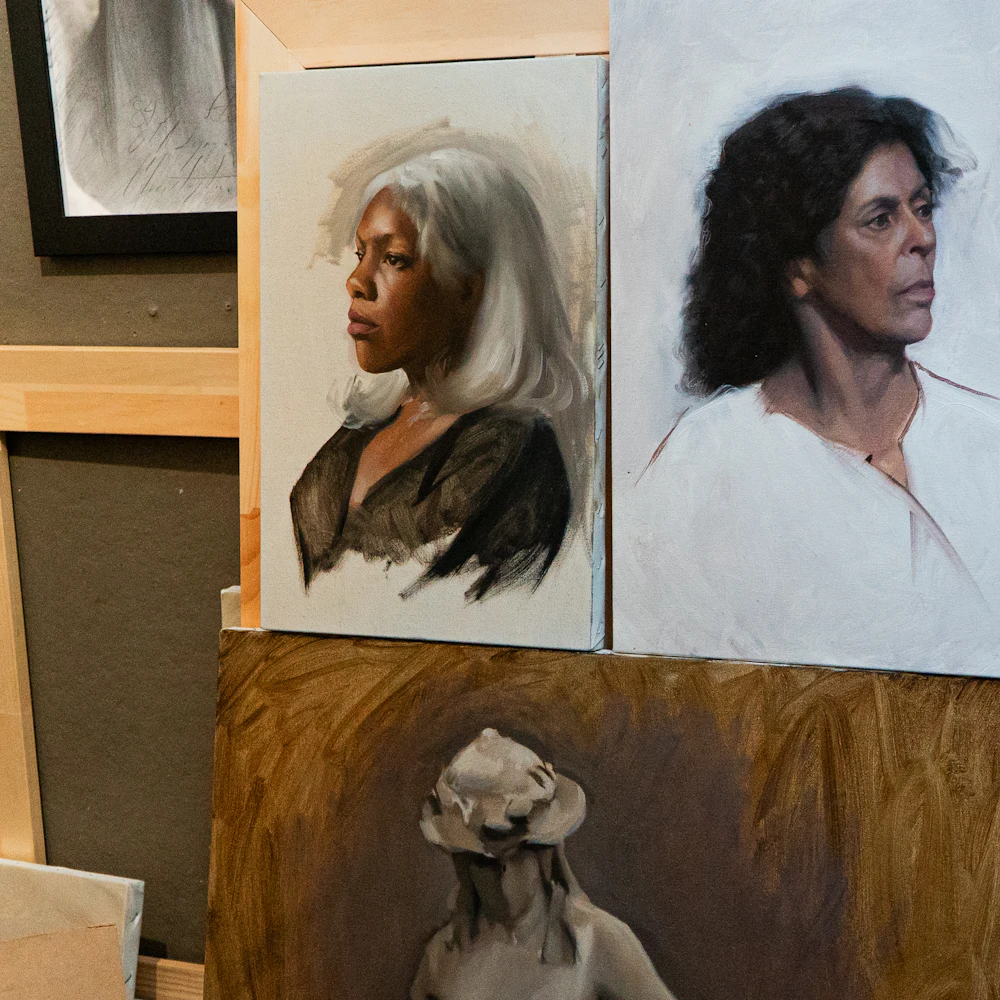
The studio rooms at the Lyme Academy of Fine Arts are alive with the quiet presence of work in progress.
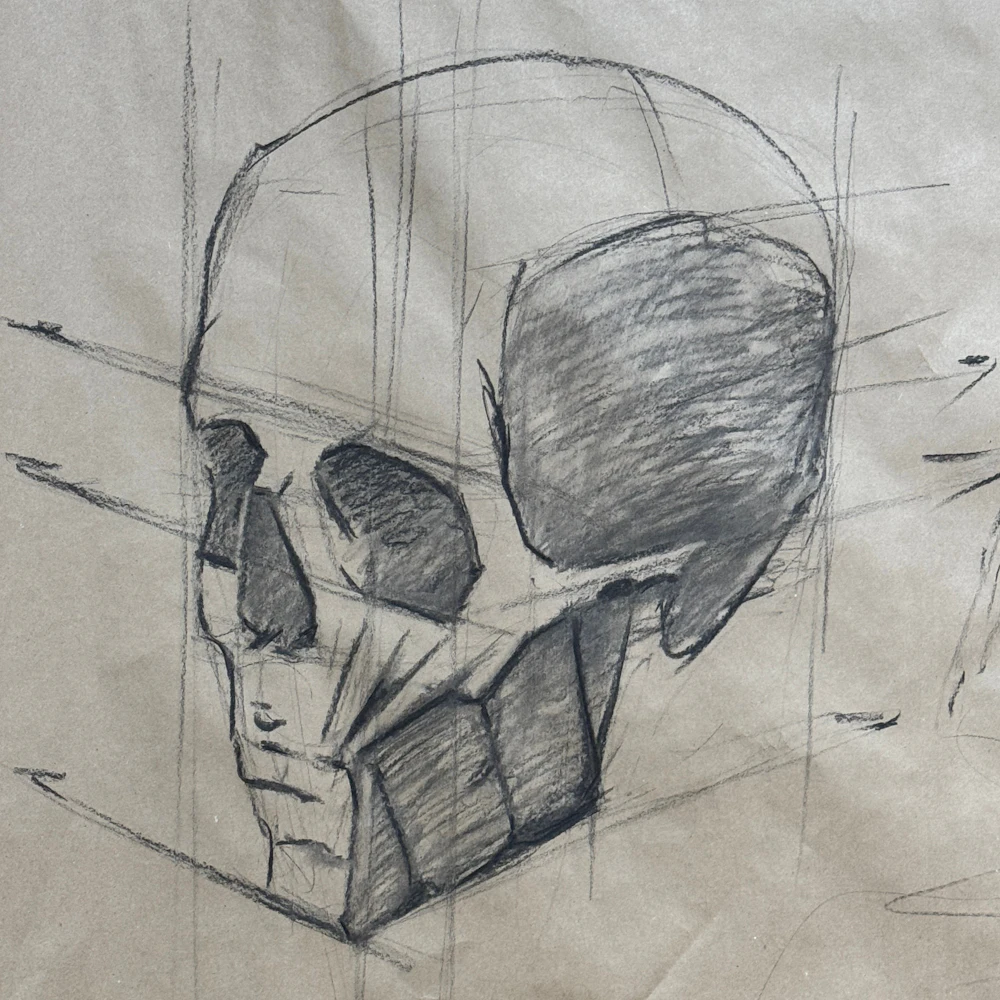
Walls lined with student drawings and paintings, each marking a stage of intentional observation and practice.


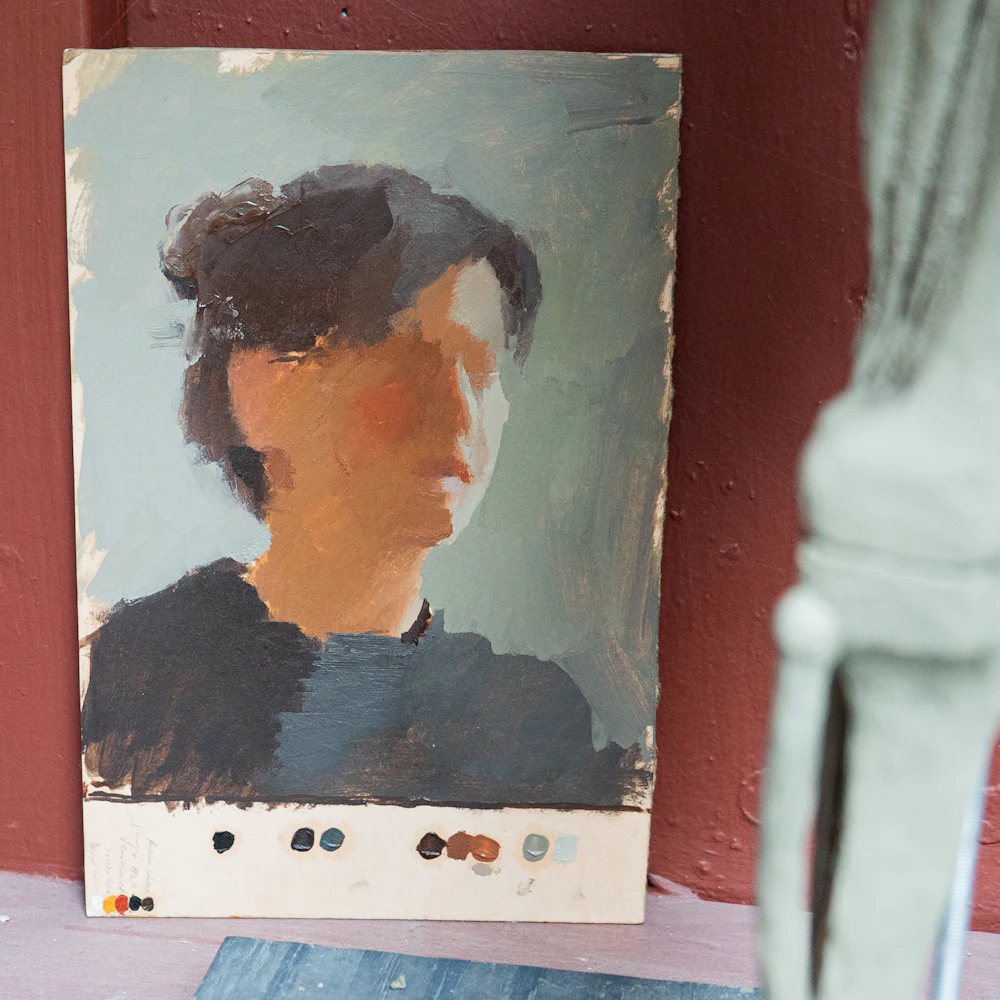

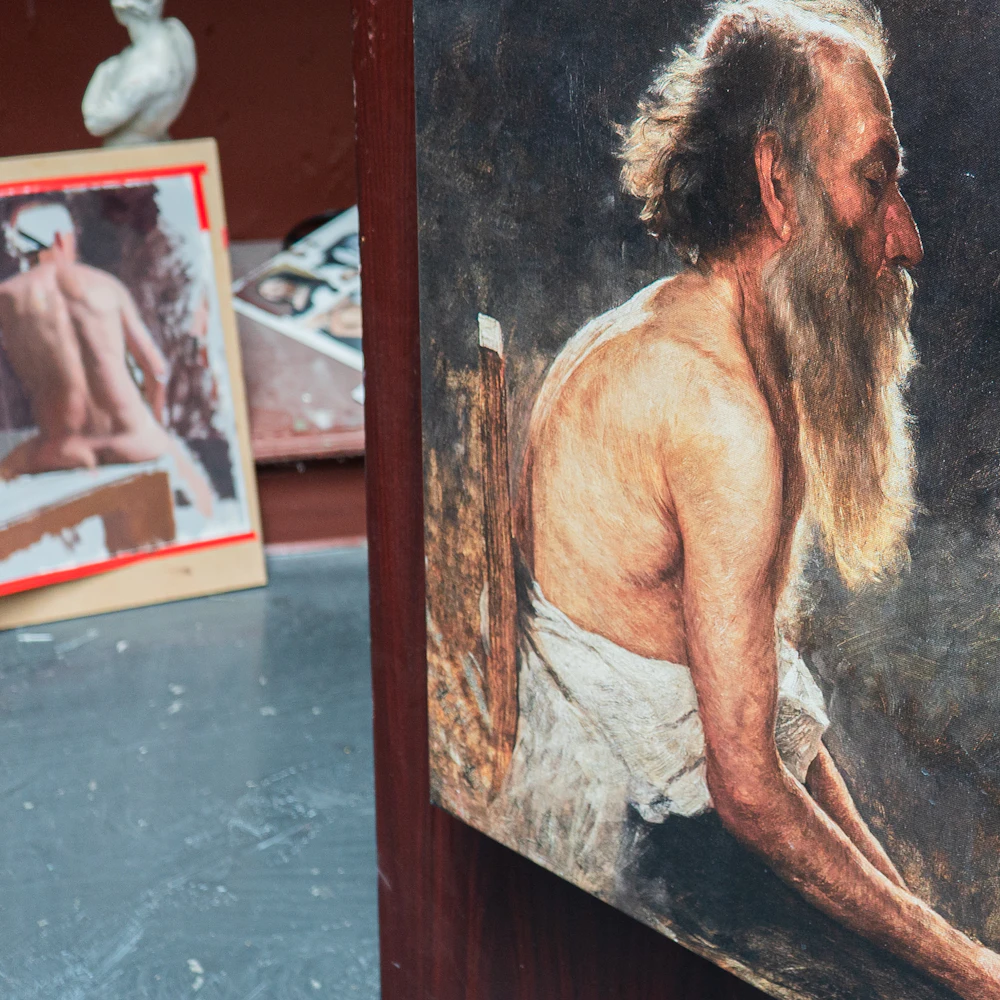

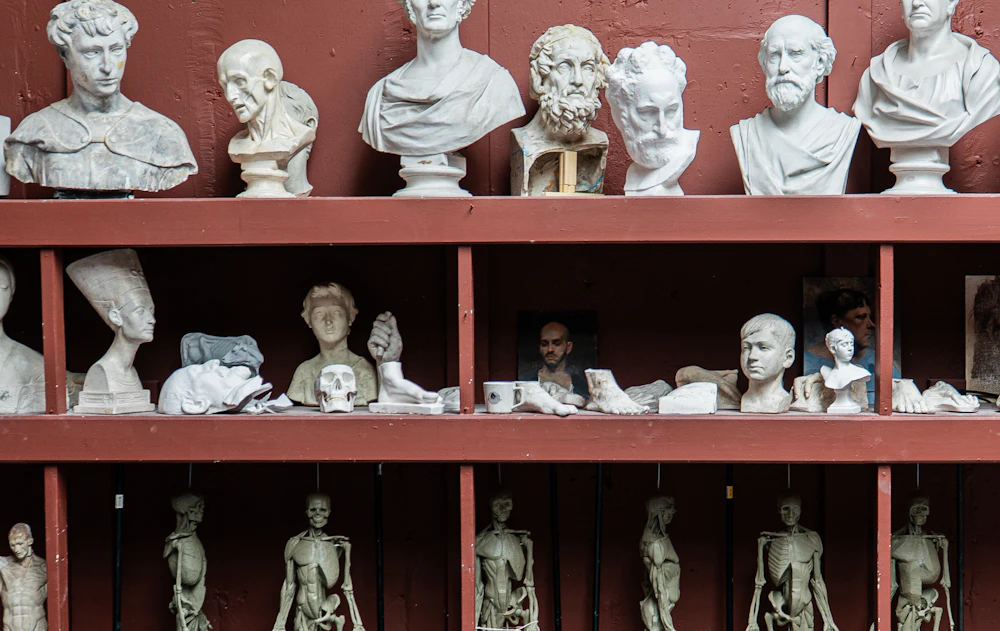

Paintings and plaster casts and are used as points of reference for students as they develop their skills.

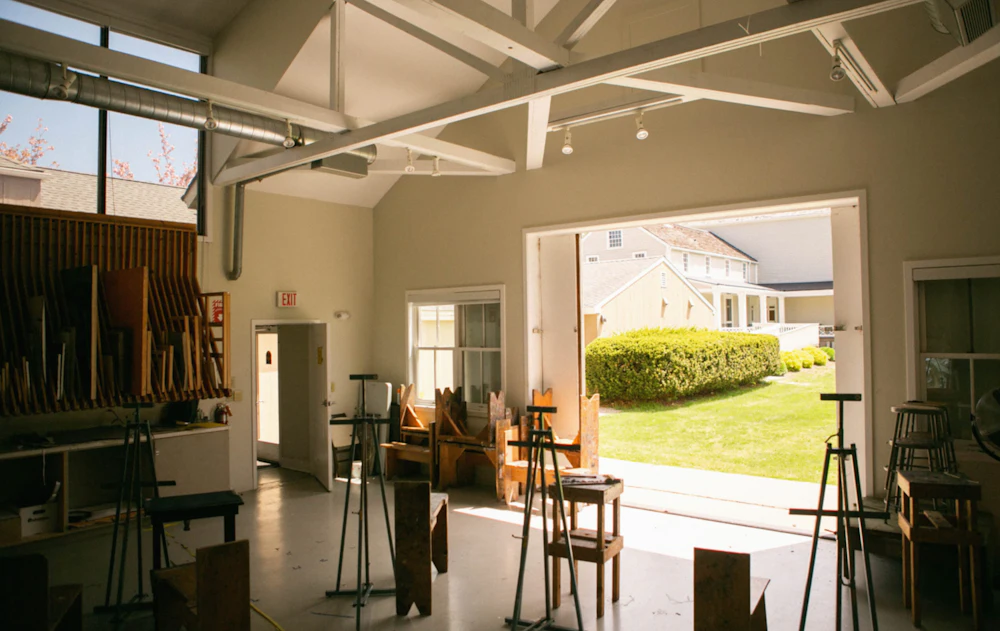


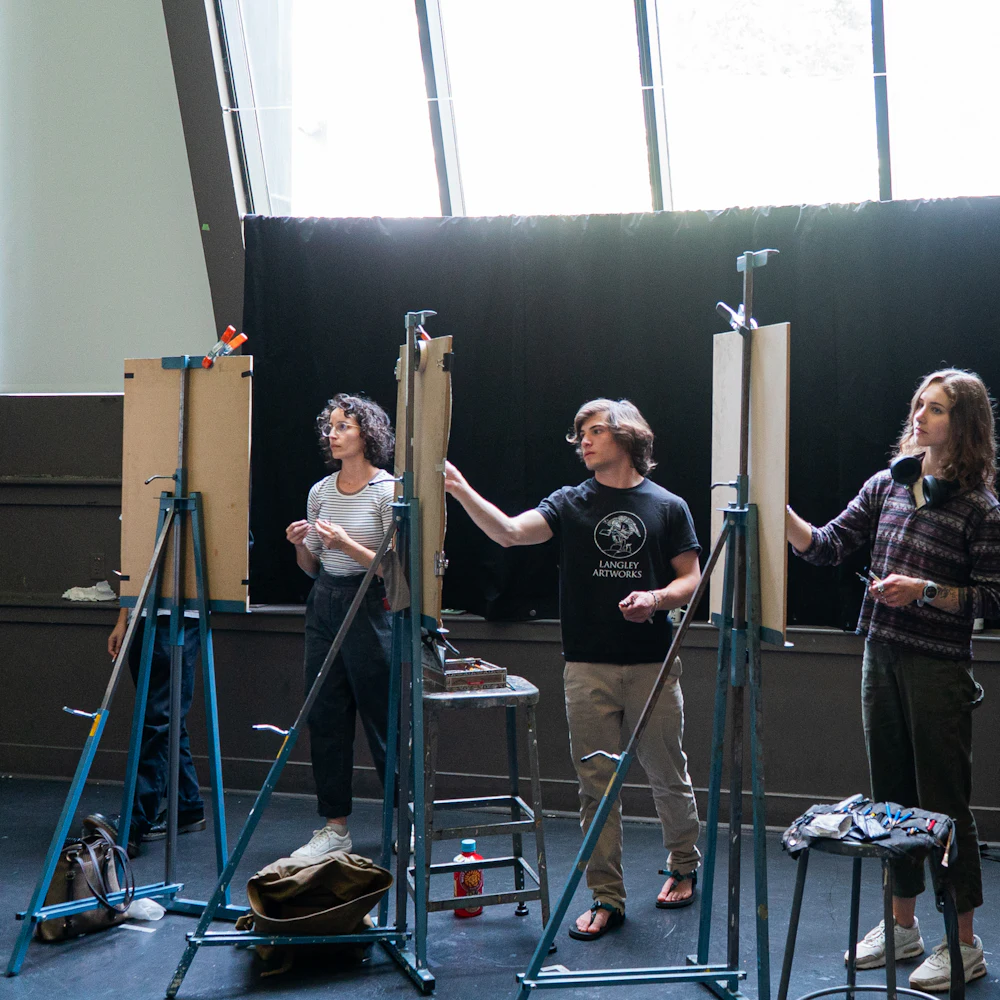
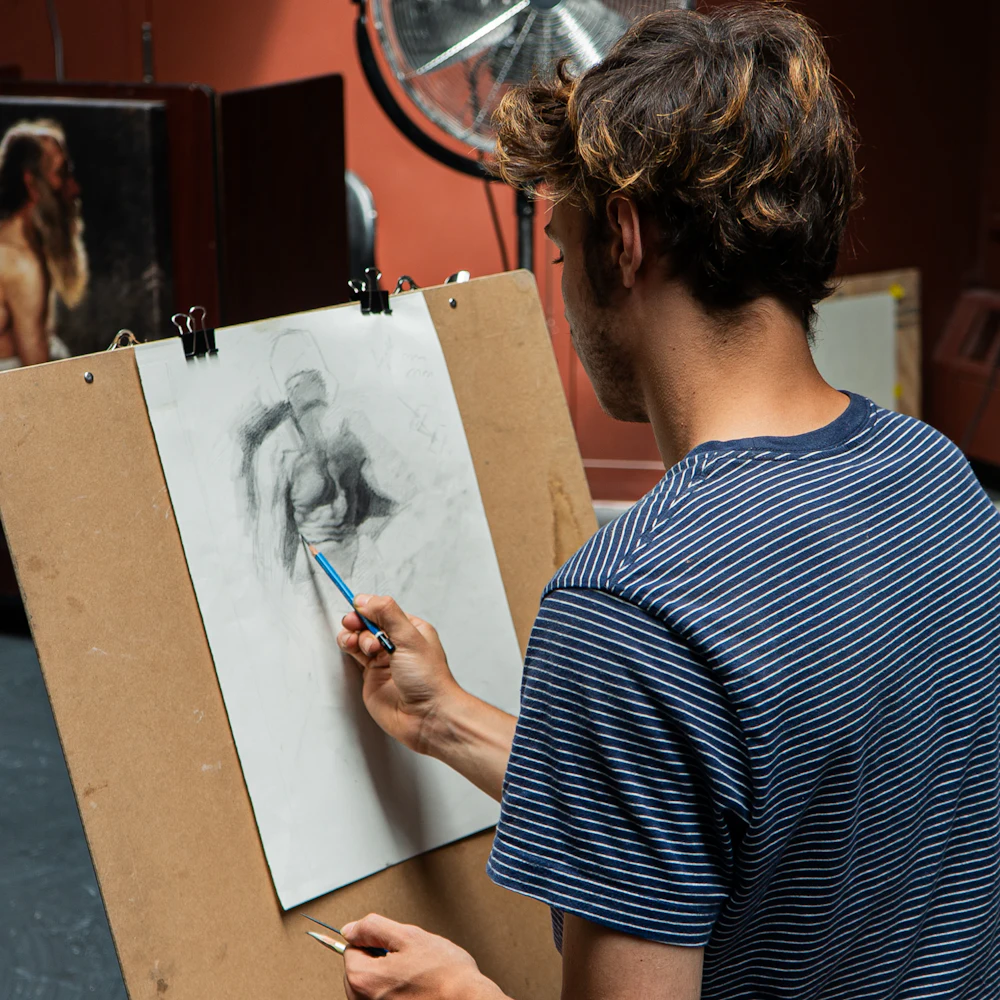
Students work side by side, easel-to-easel, as they draw from live models. Instructors move among them, offering immediate, thoughtful guidance.

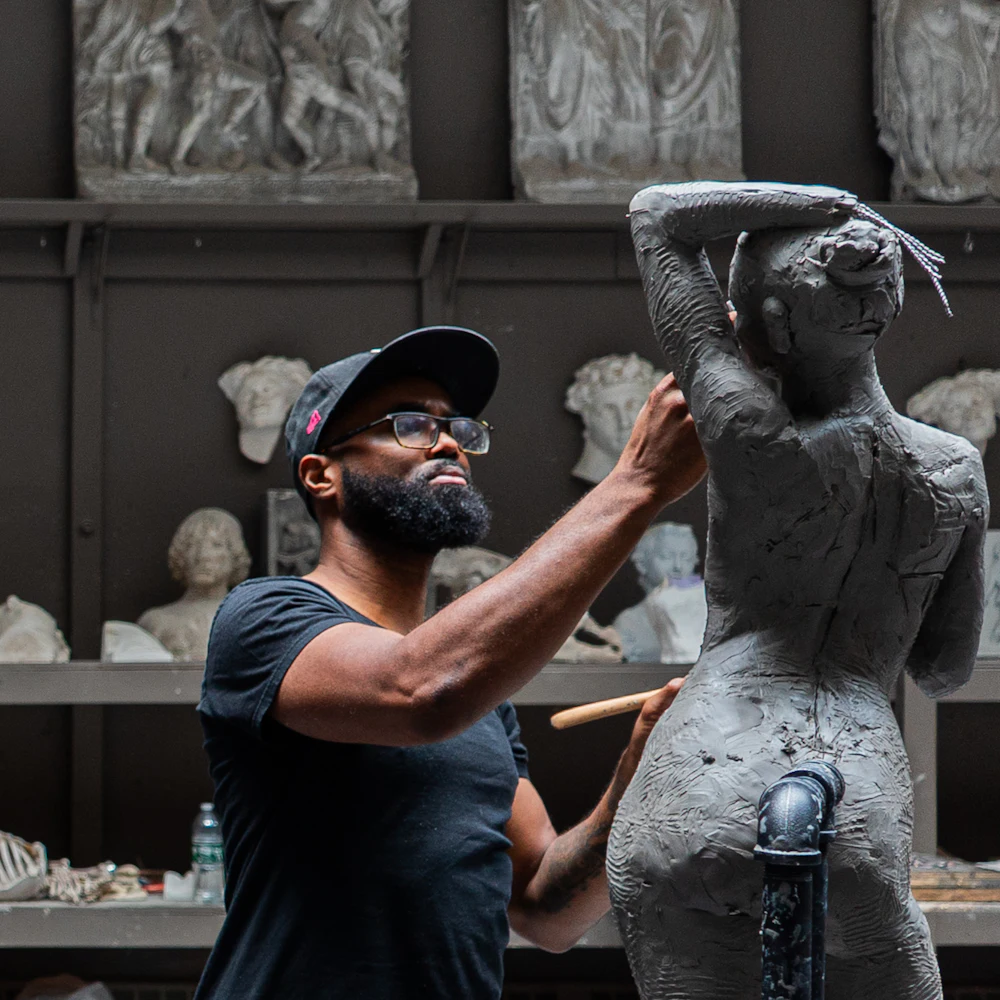

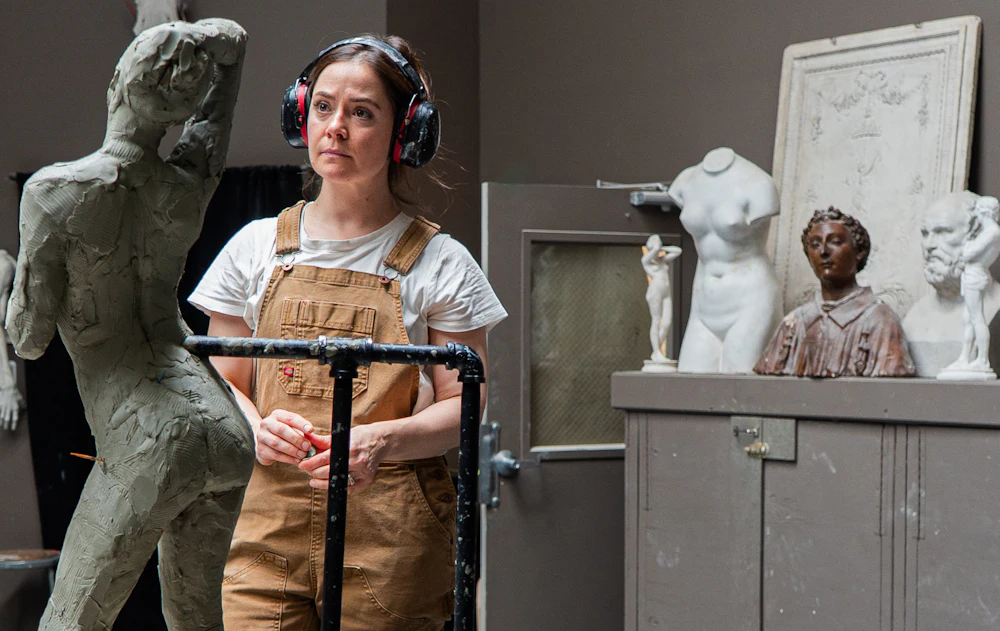

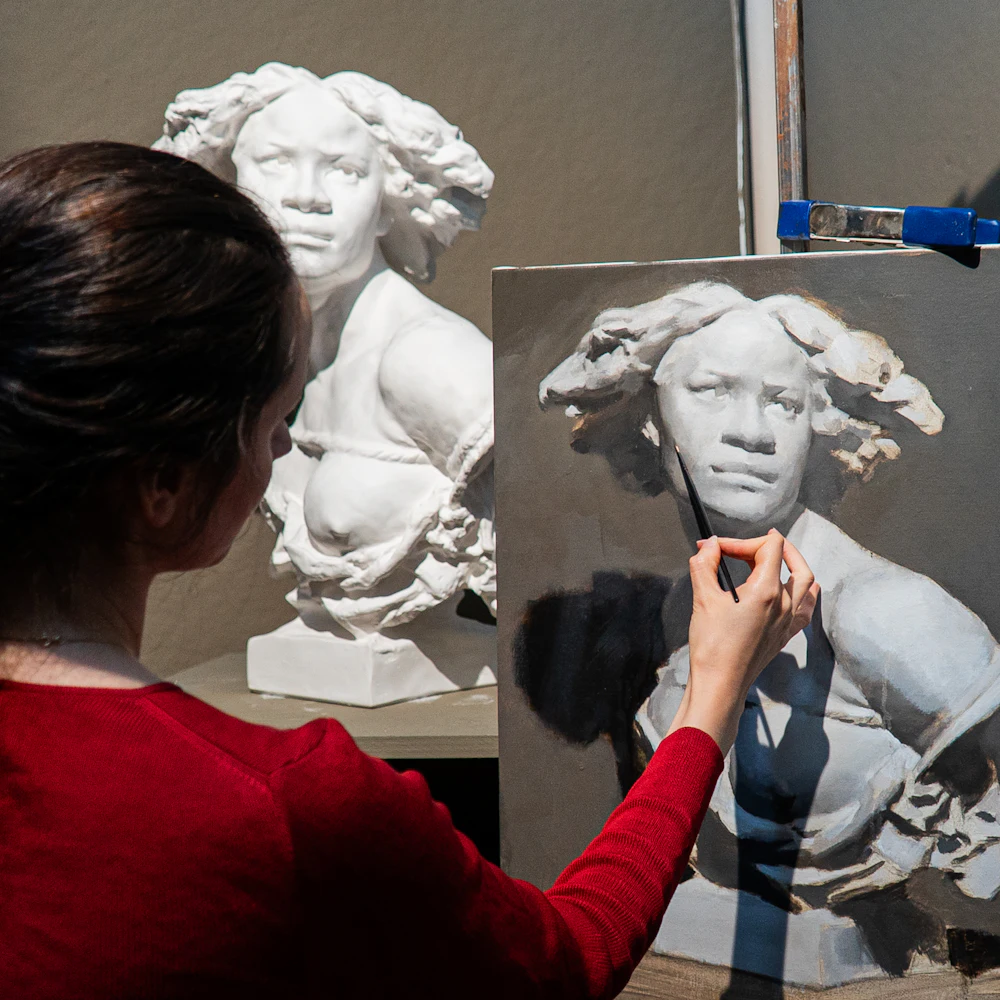

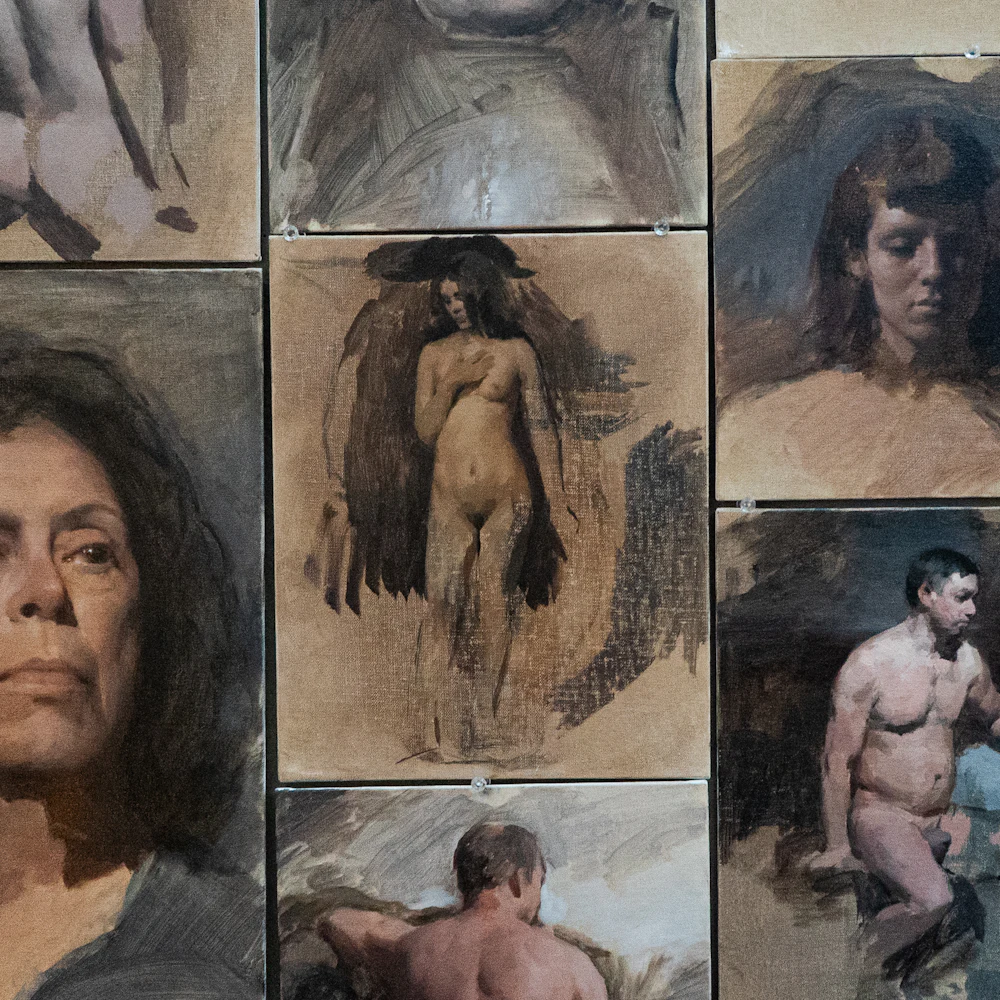

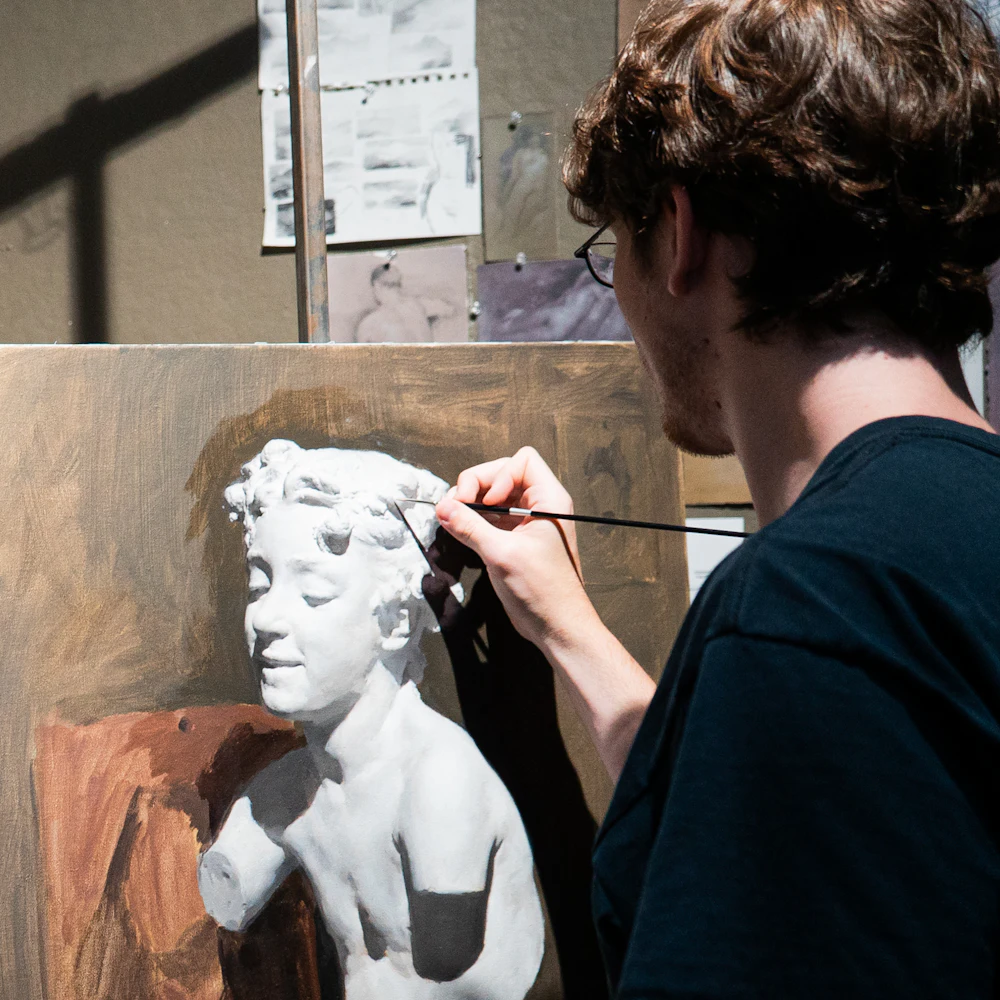

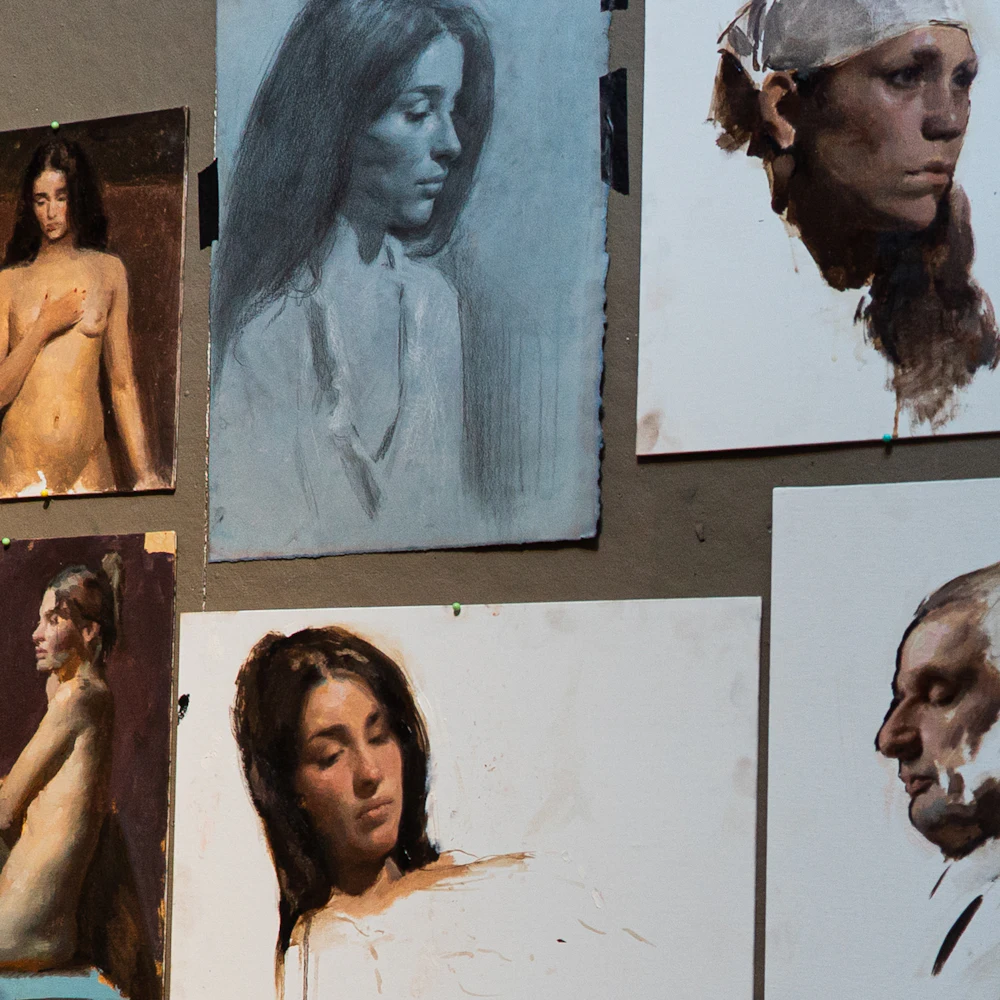
In addition to collaborative class sessions, each student has a personal mini “studio” within the Academy.

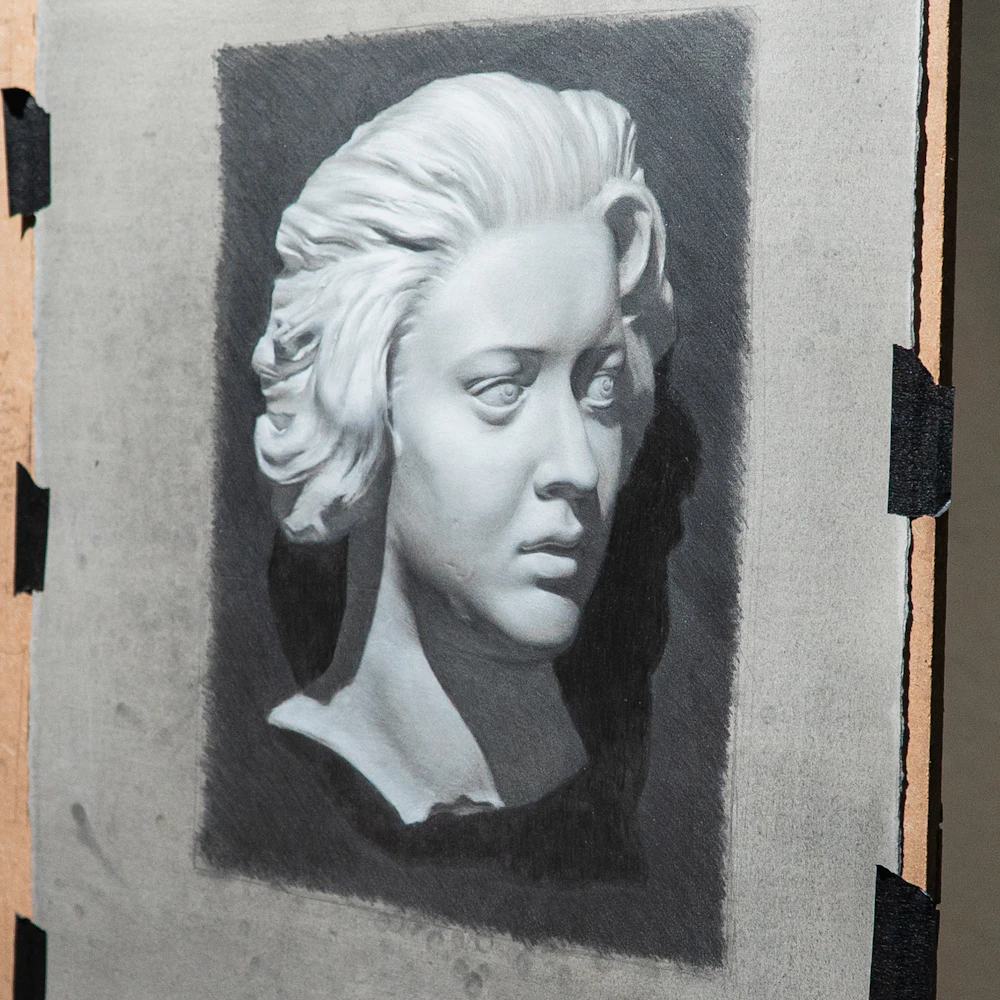
These rooms serve as an intimate space where they can continue to explore and refine their work independently, carrying forward the skills and inspiration cultivated in group instruction.

Identity: bridging tradition and modernity
Lyme Academy faced multiple truths. The institution was entering a new chapter, and at the same time, returning to its core practices originally developed by its founder.
The identity needed to convey a sense of tradition and discipline that echoes the school’s foundational principles, yet also speak to the dynamic, contemporary work being created by students today. At the same time, the identity required a degree of subtlety to let the artwork itself take center stage. One requirement of the brand’s role was to support, rather than overshadow, the creative expression of the students, alumni, and faculty.

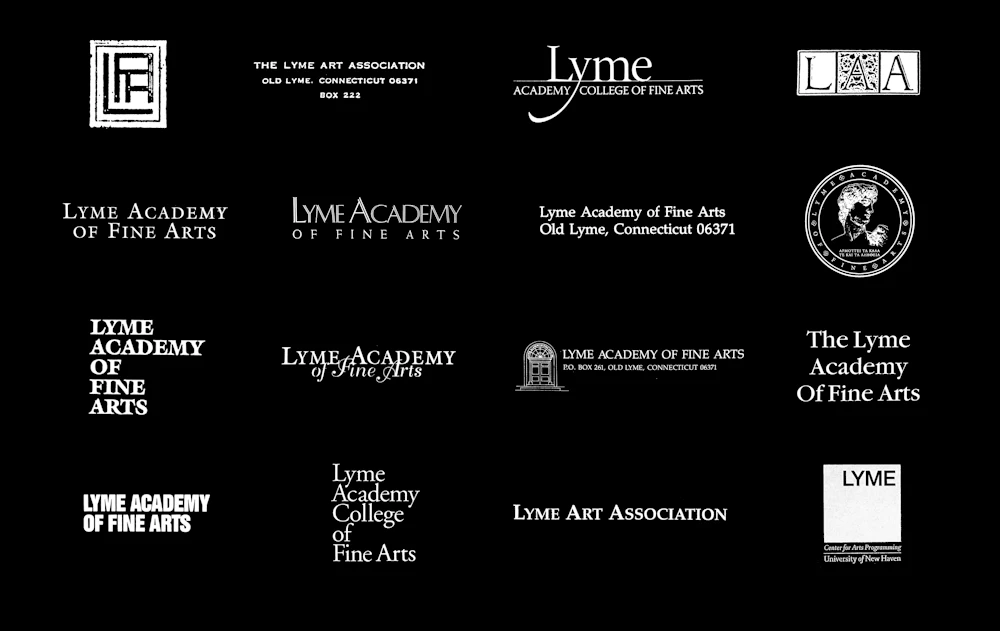
Previous logos for the Academy leaned heavily on typography, the school’s geographic location, or prominent artistic references.
Tonally, the typography varied depending on the year of the brand development.









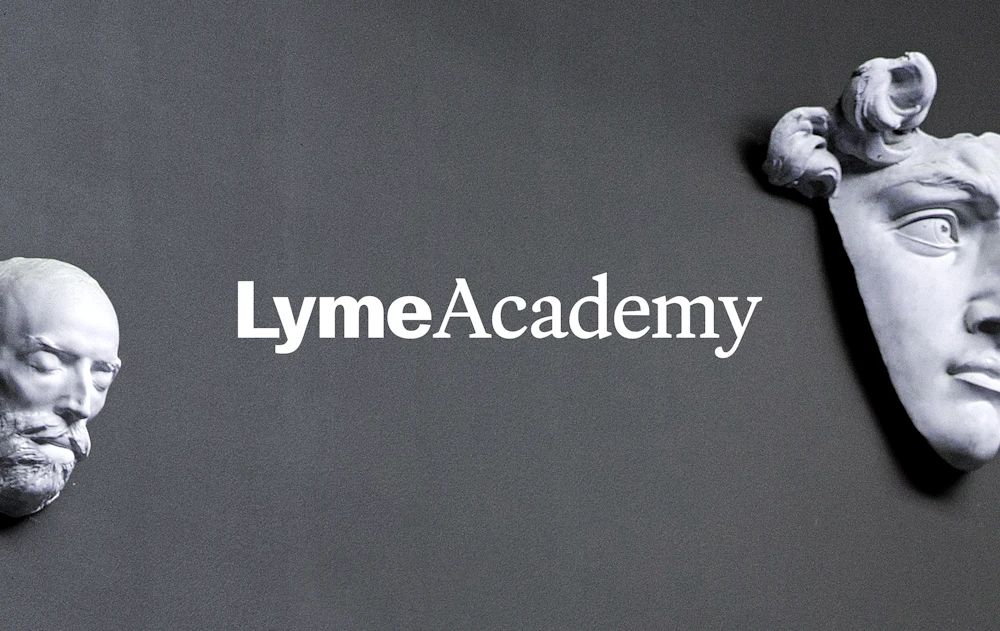





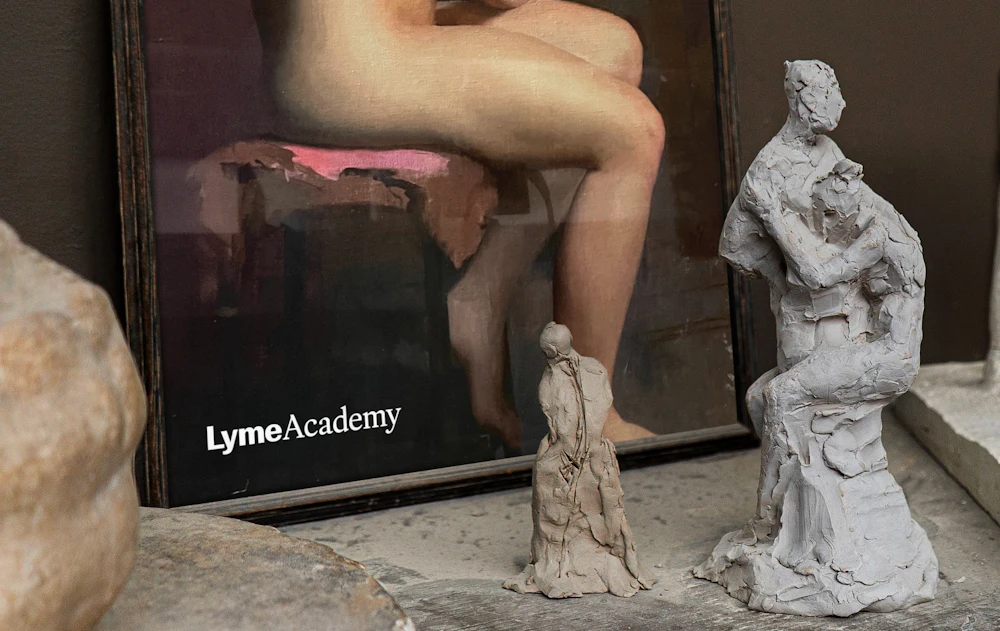
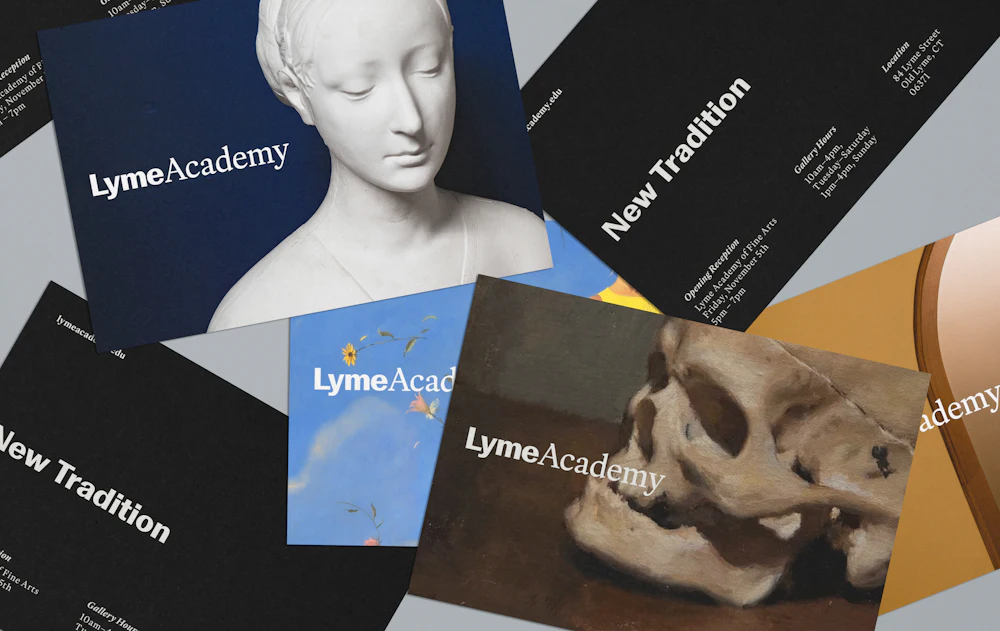
The logo reflects the Academy’s history and future through carefully chosen, era-appropriate typography.
By relying solely on text, it honors the school’s legacy while leaving the artwork itself entirely undistracted.






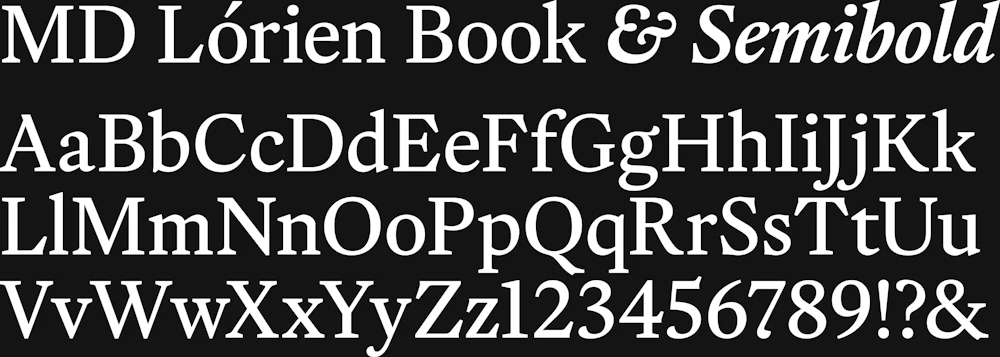
Basel Classic, by Optimo, is a high-contrast grotesque typeface, inspired by modernist typography that marked a transition to the contemporary world the academy practices in today.


MD Lórien, by Mass Driver, is an old-style serif typeface based on materials from the 18th century, similarly to our time period of study. It represents the academy’s history and grounded practice.







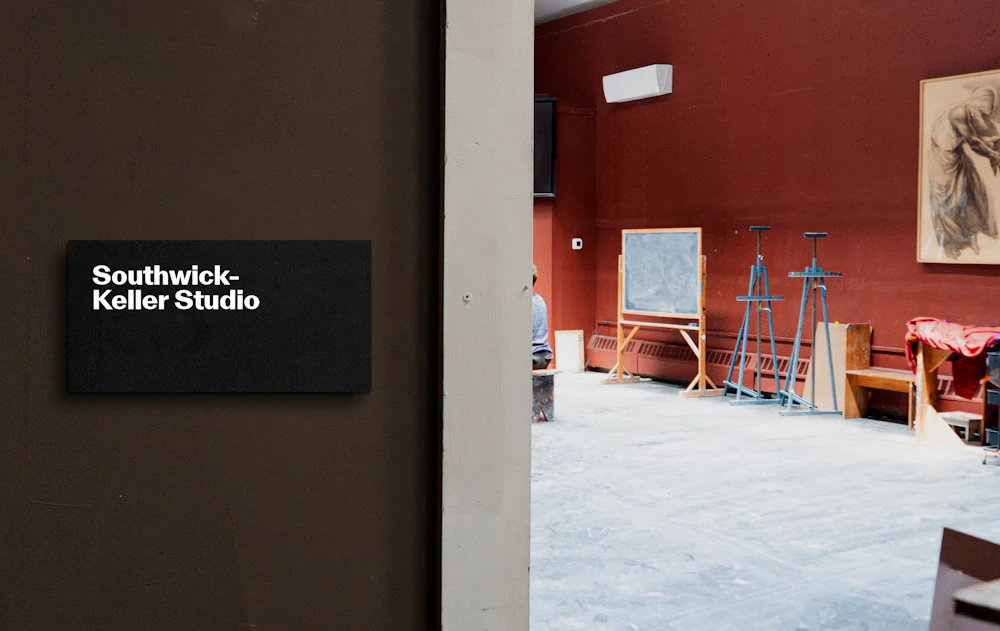
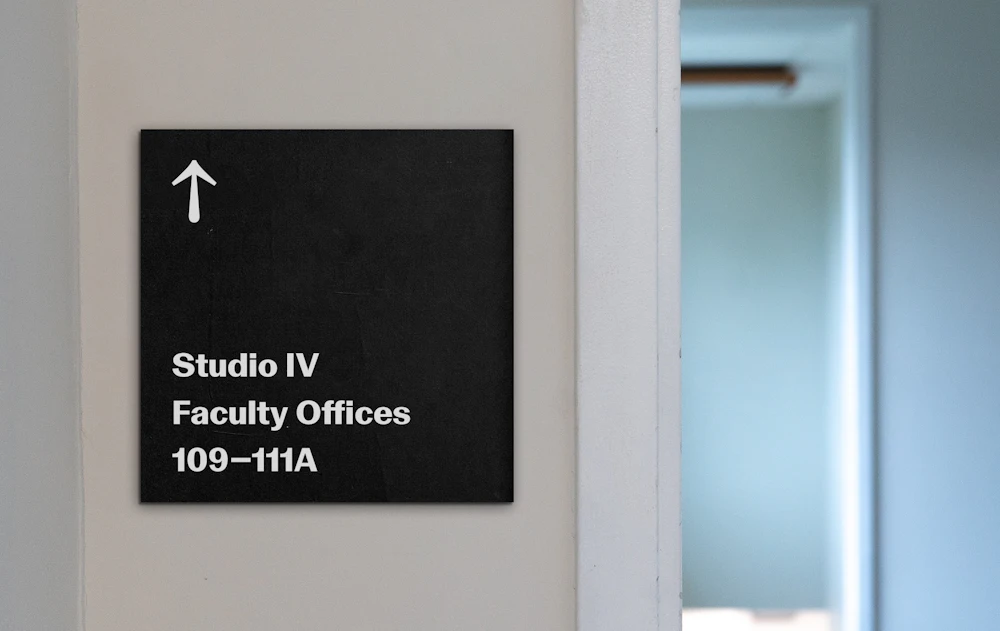
The “contemporary voice” of the academy’s typography stylings leads headlines for rooms in the building.



In headlines, the academy’s two brand typefaces are paired in short phrases to highlight the contrasting qualities of its values, creating visual tension that mirrors the balance between tradition and innovation.

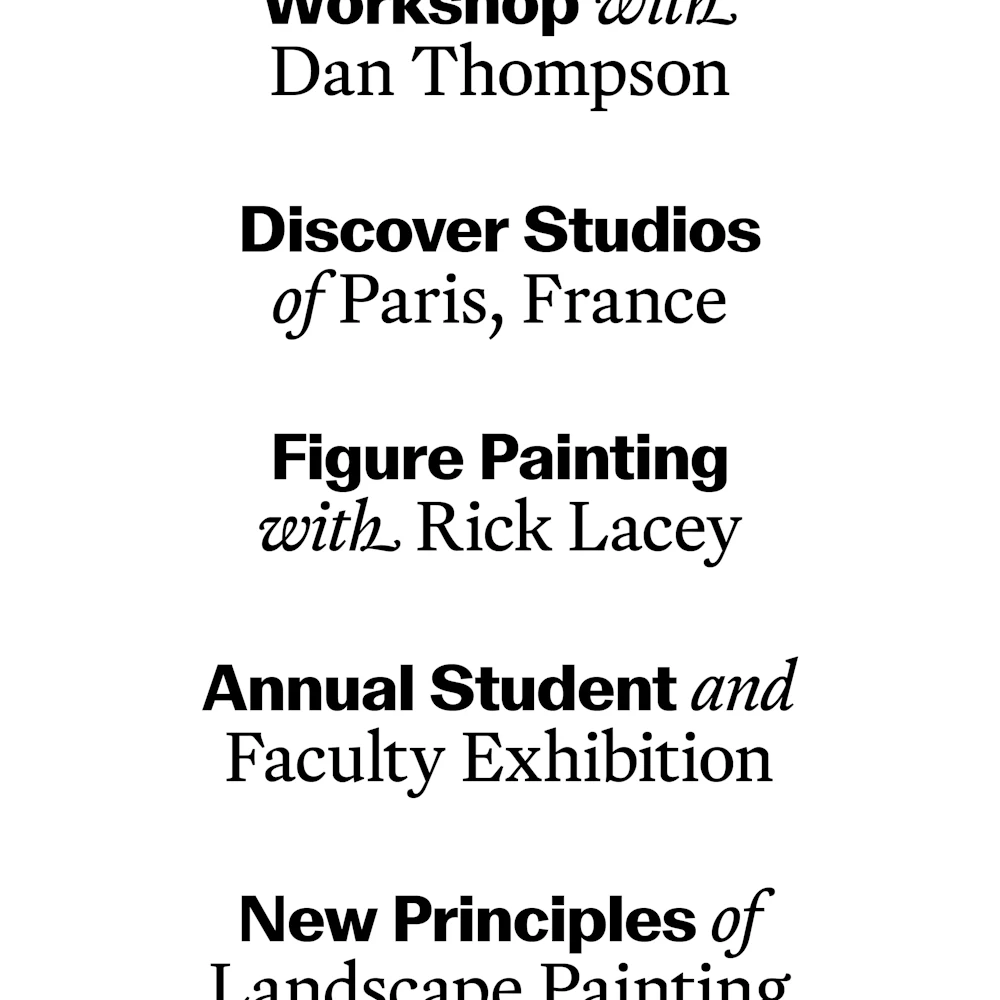

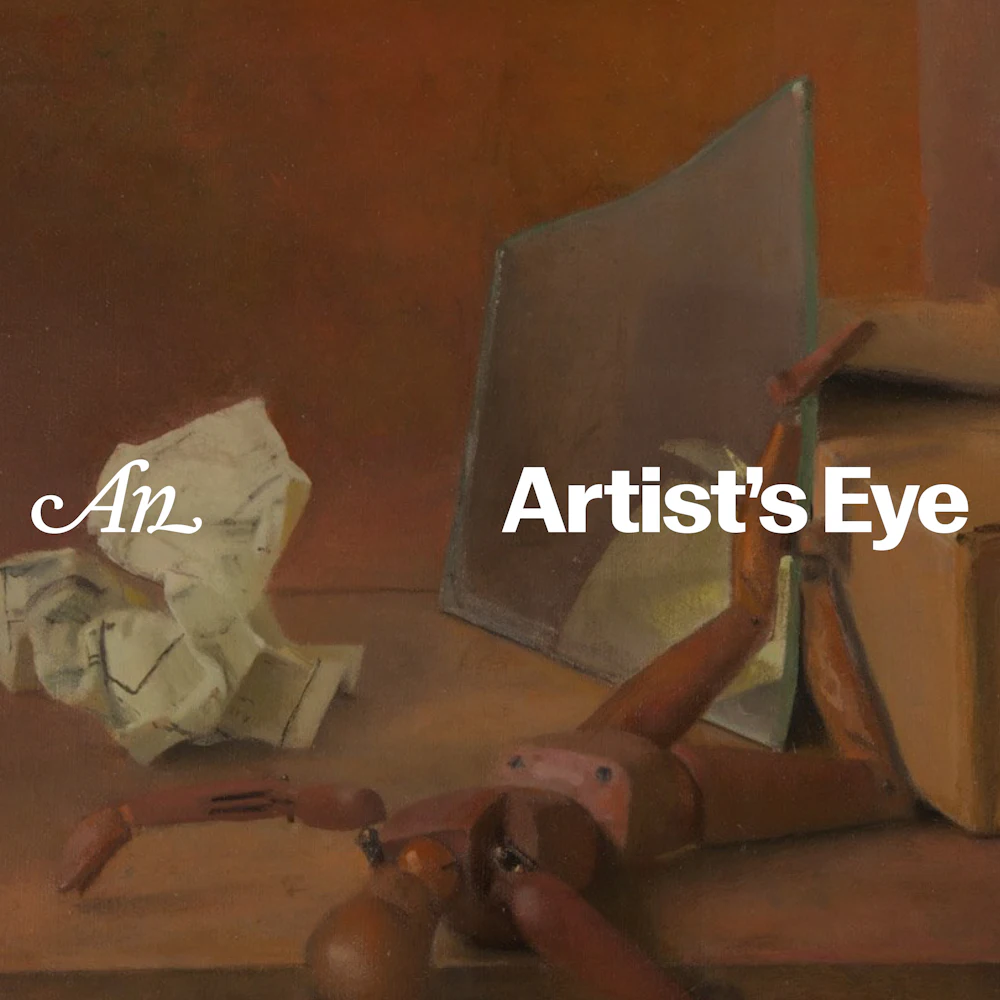



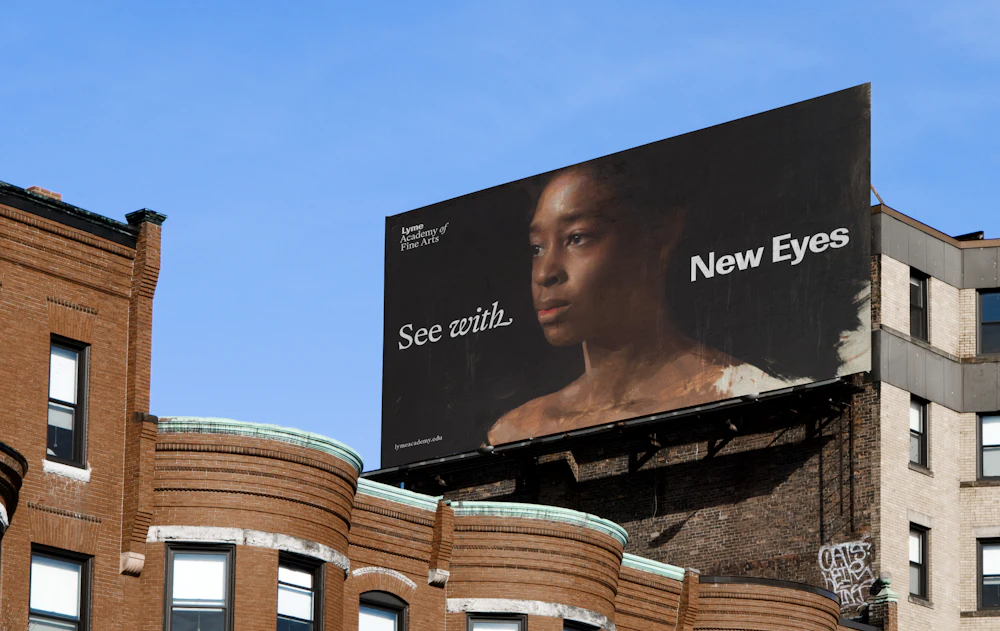

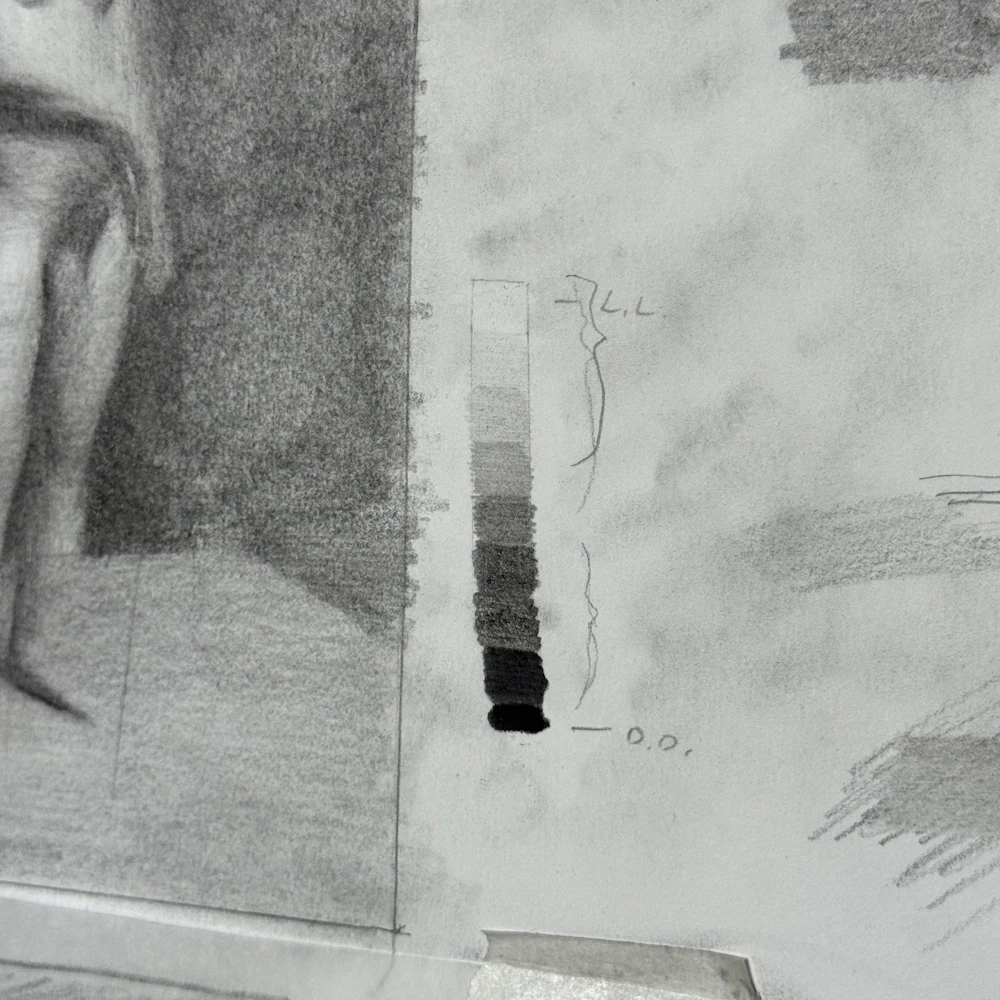
Working in a black-and-white palette challenges students to grasp form, light, and shadow, helping them understand dimension before introducing the complexities of color.



The academy’s palette is intentionally restrained, serving a functional role that supports the work without competing with the artist’s imagery.

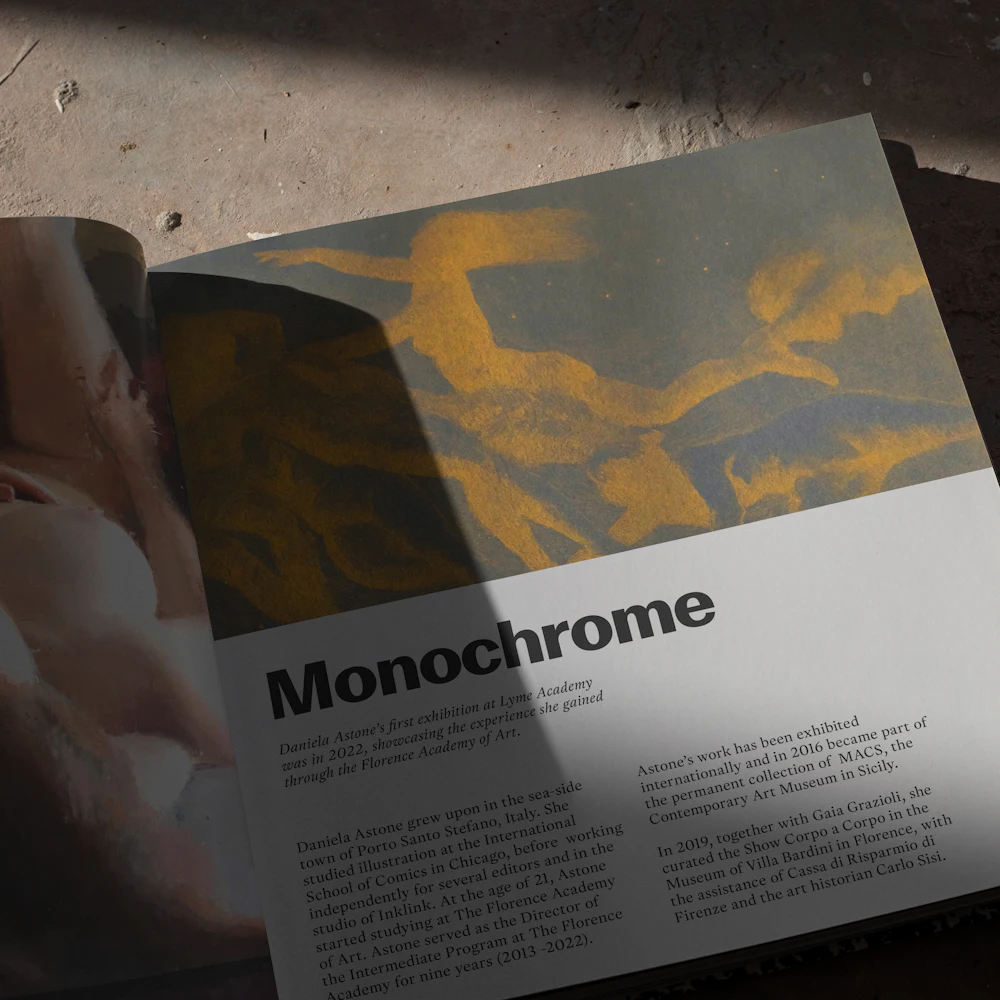

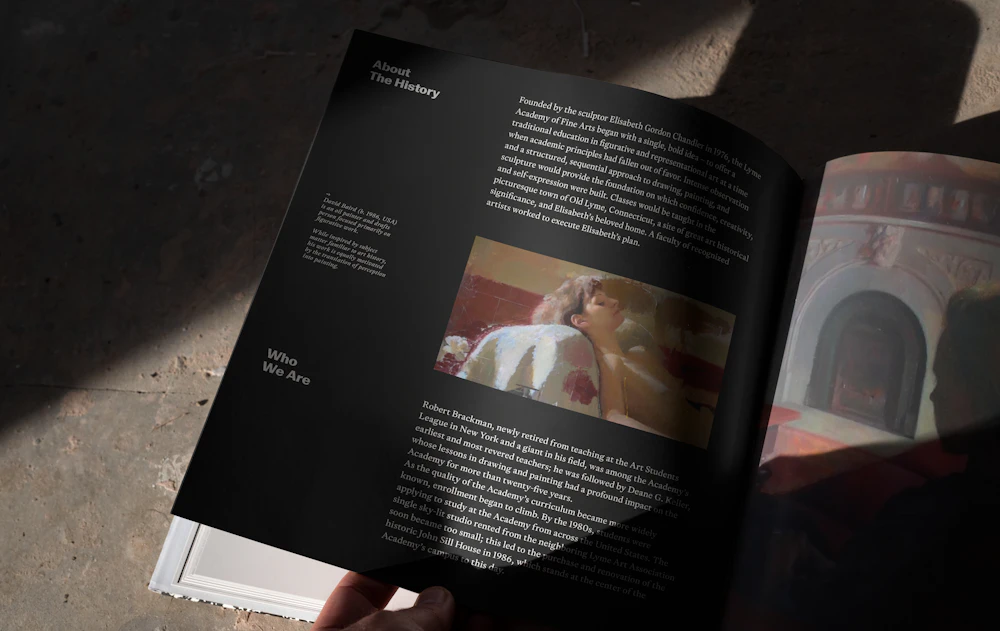

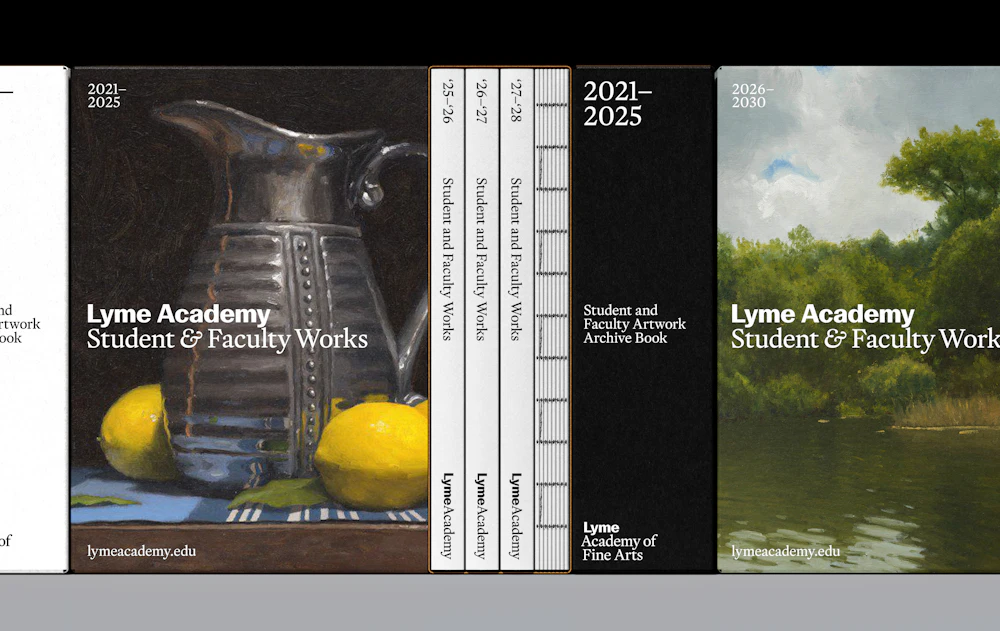
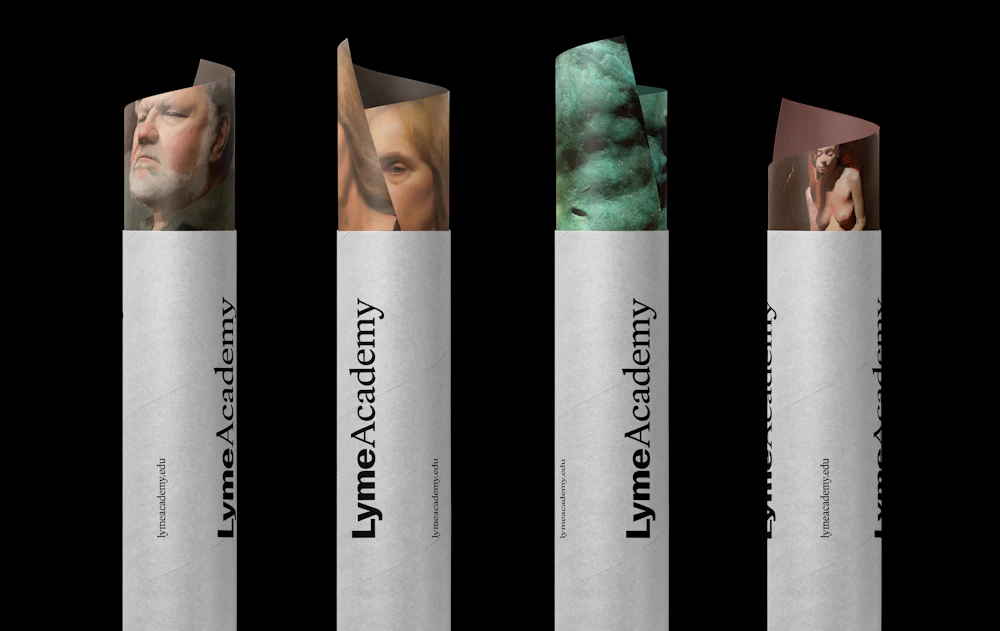
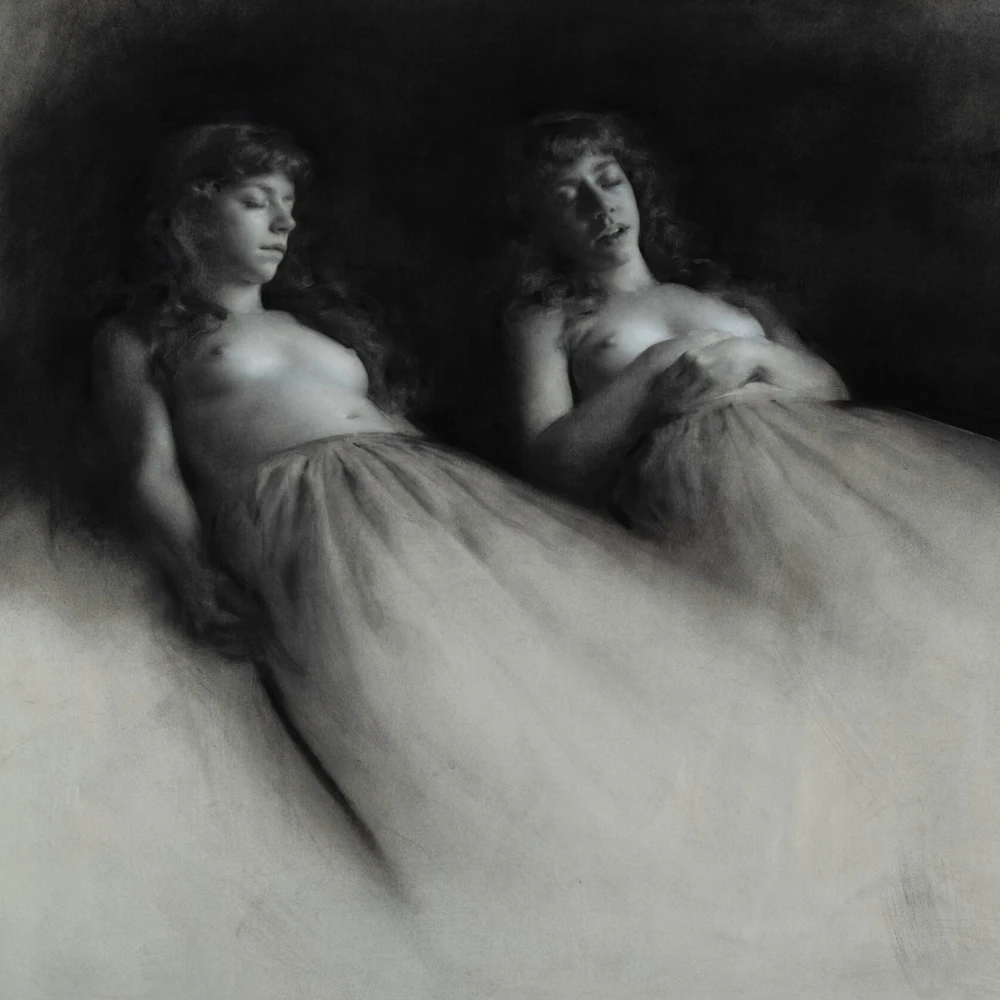
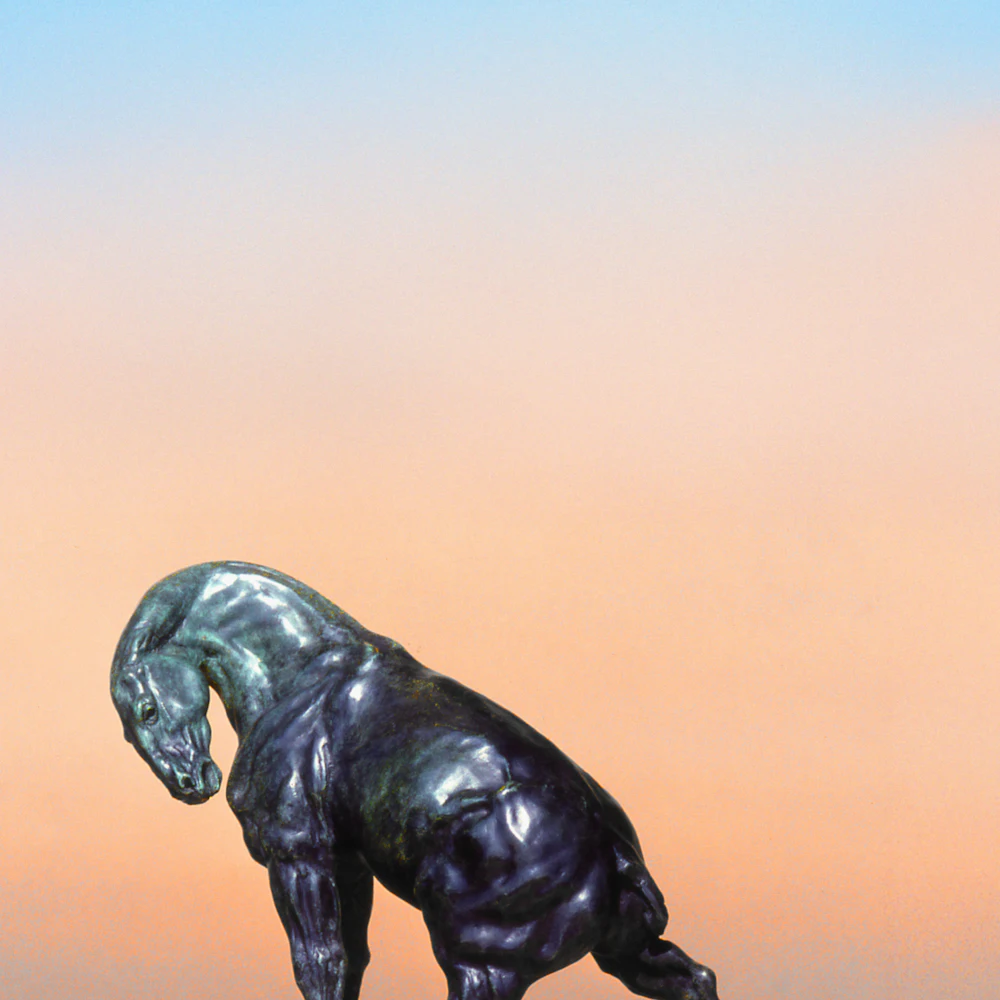
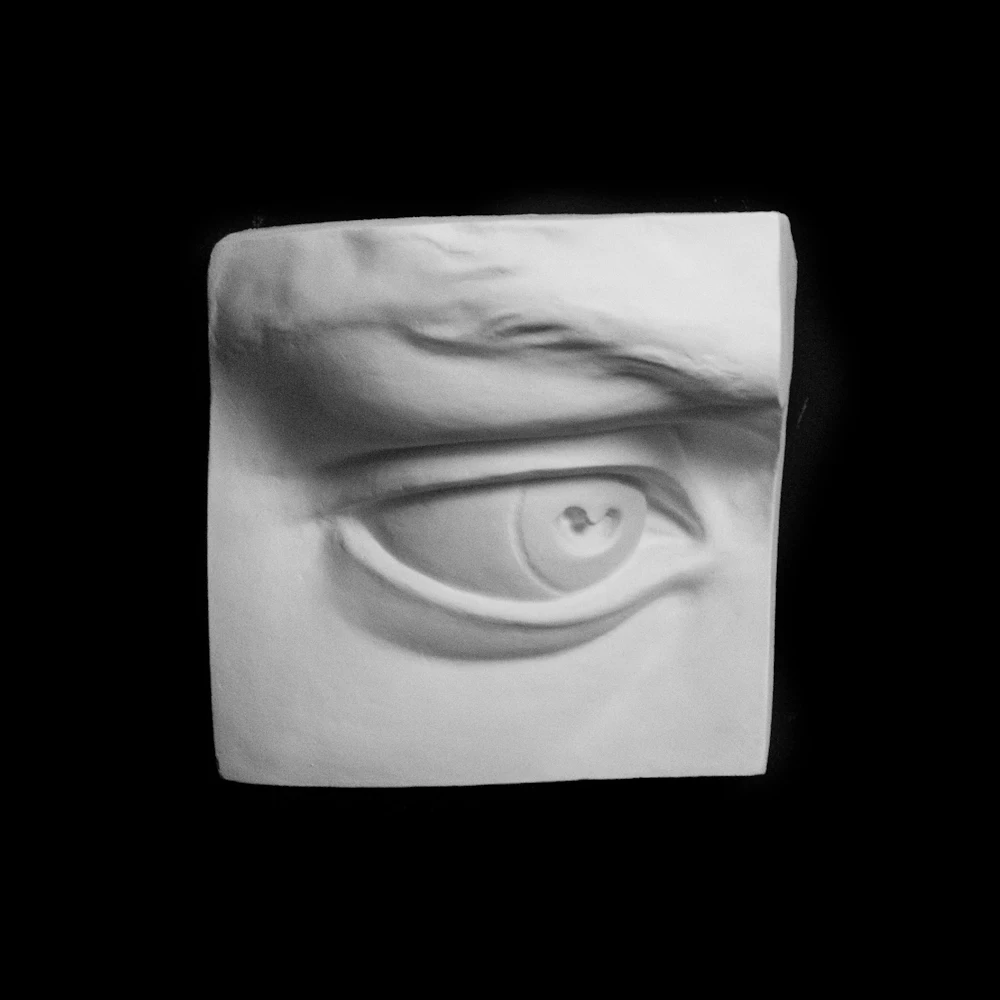
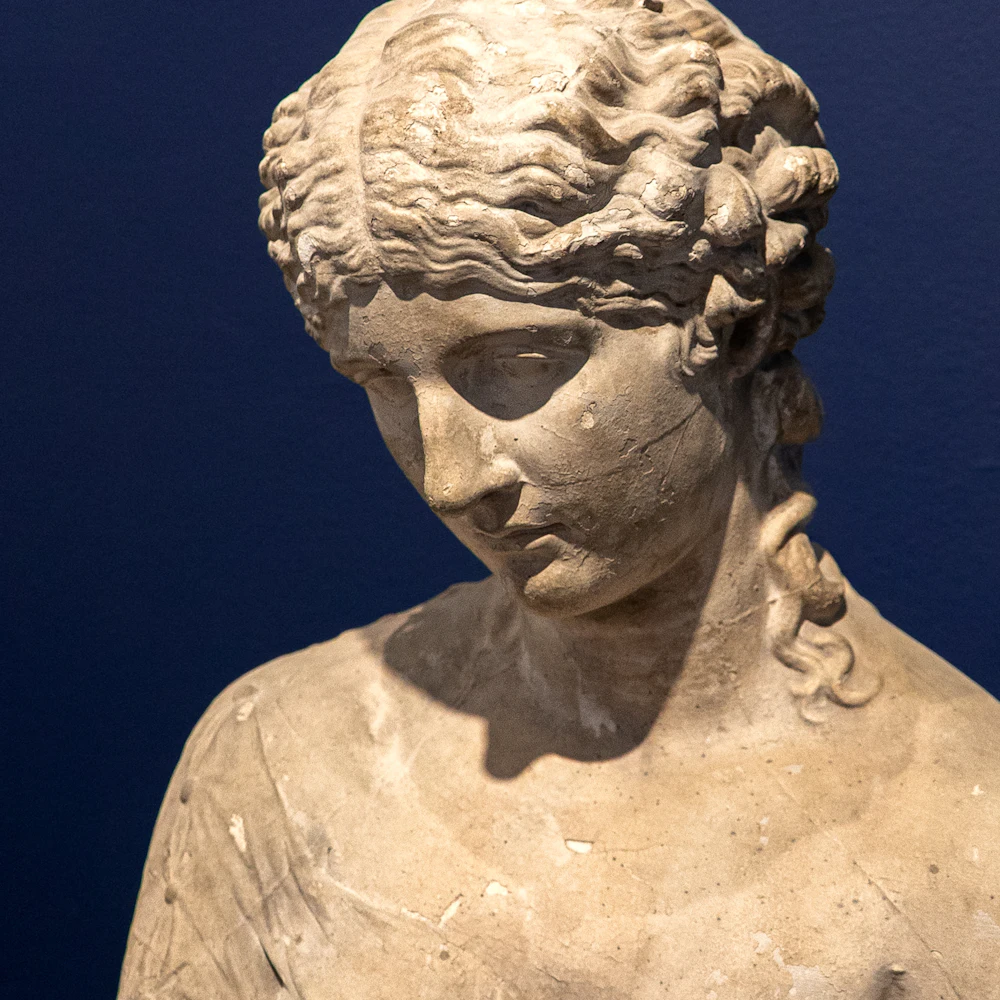
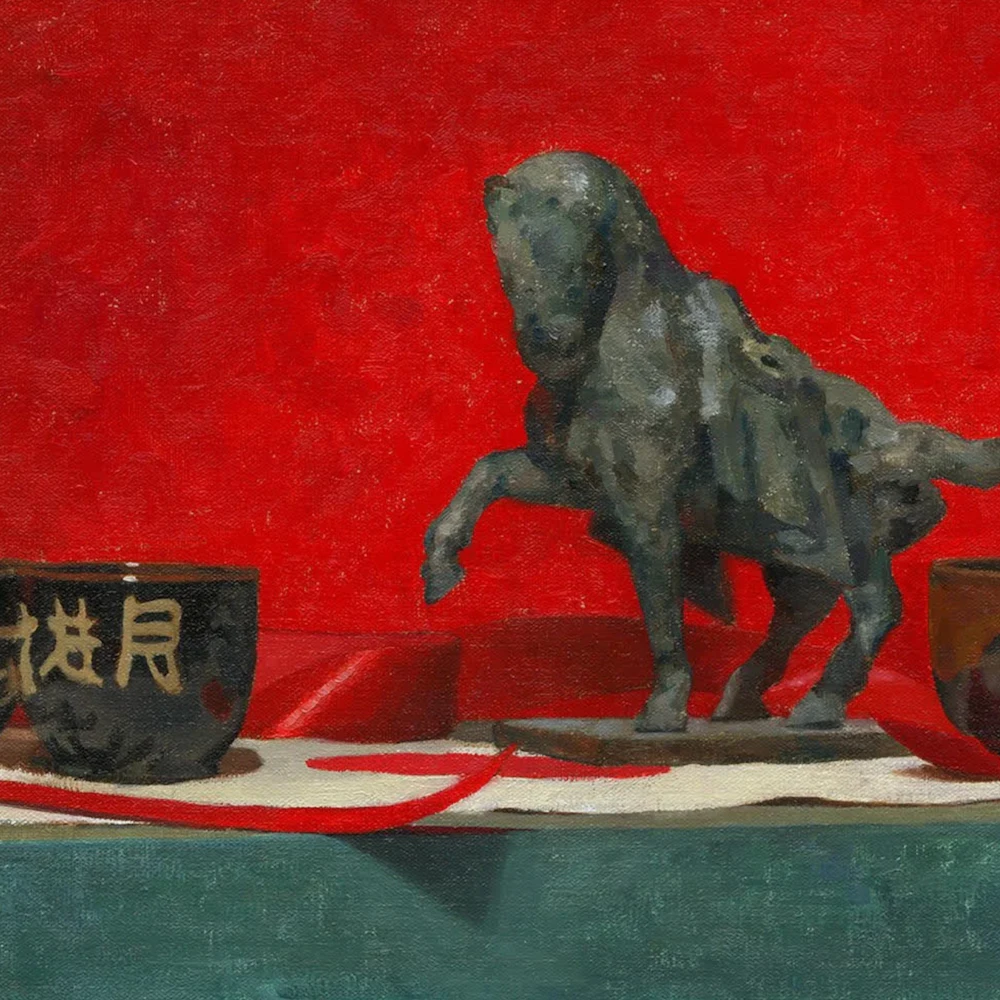
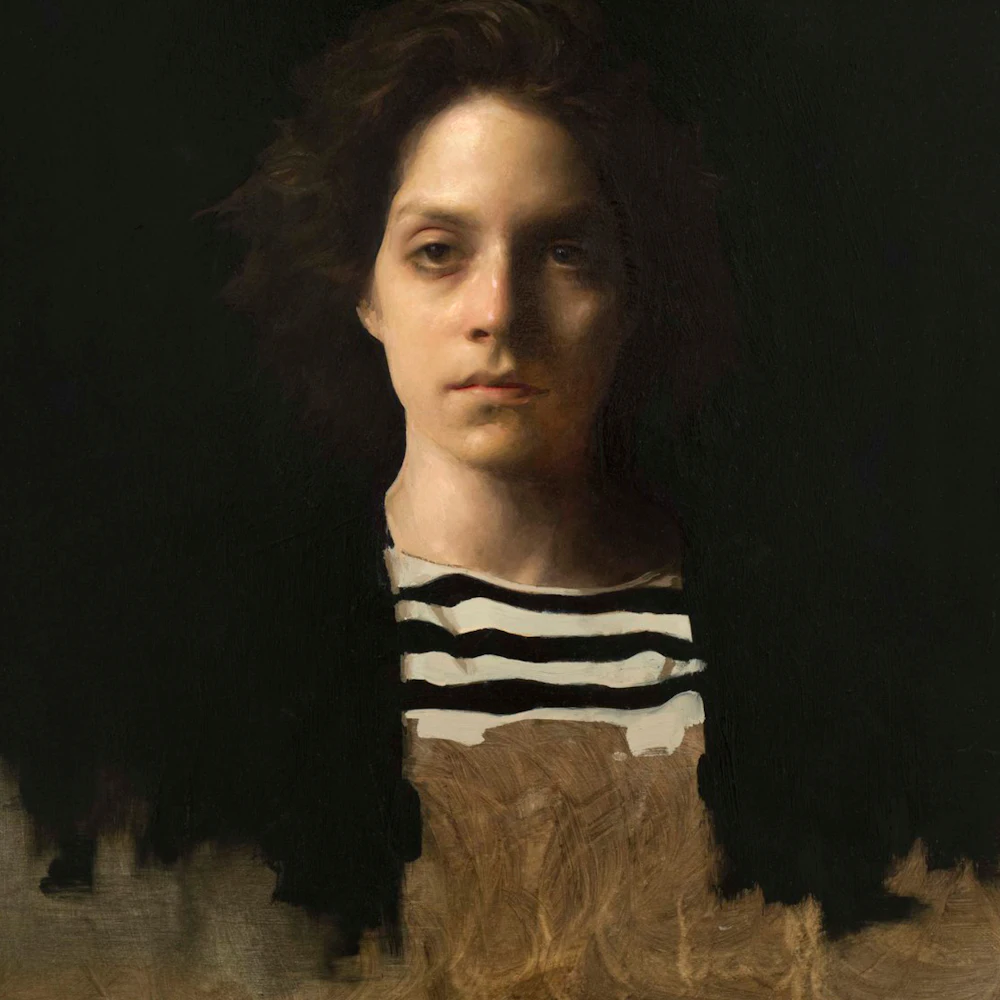
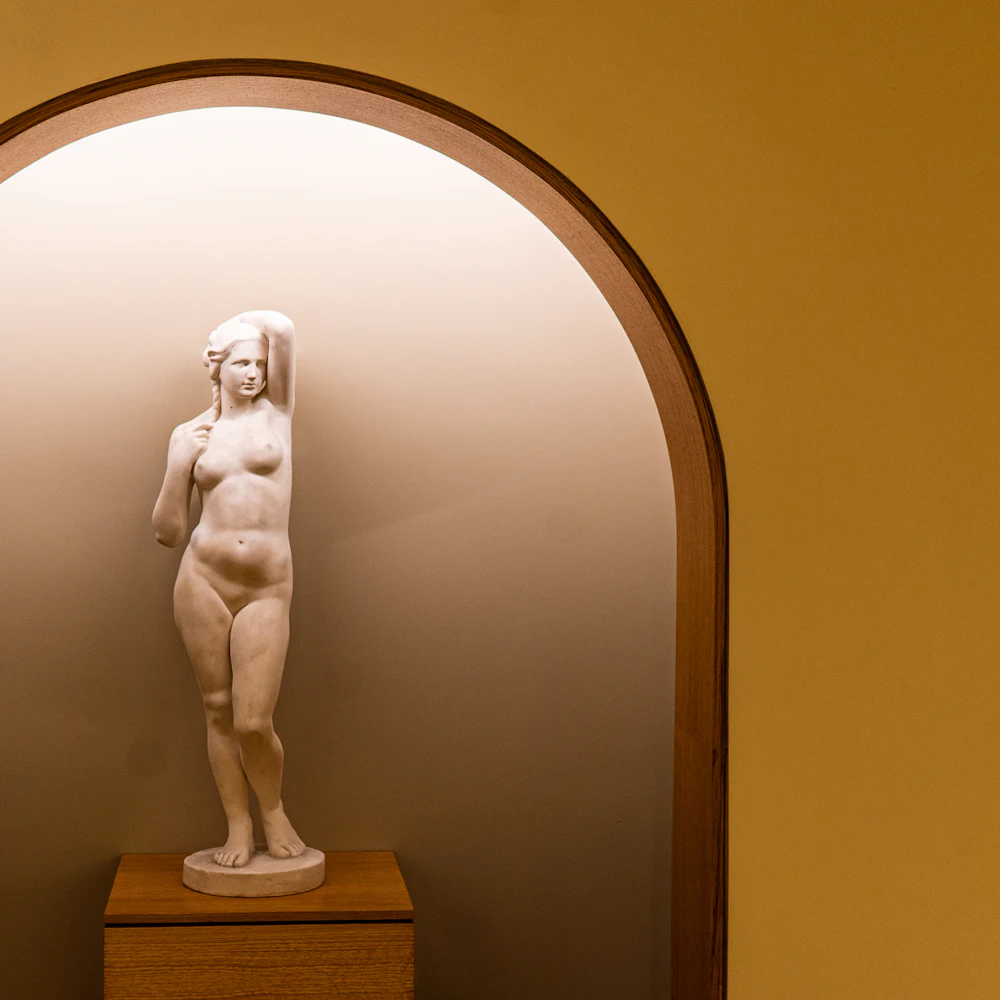
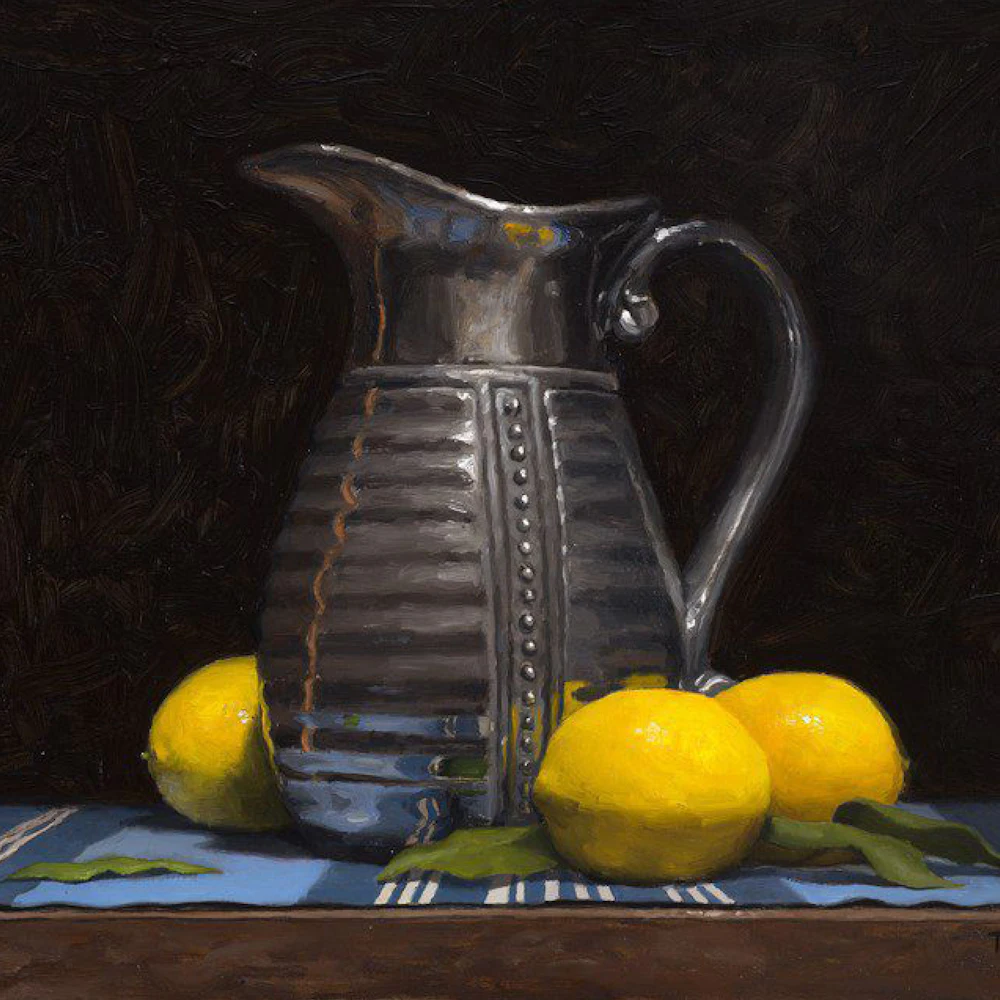
The academy’s imagery spans categories including photography, 2D and 3D work, environmental art, and portraits of students, faculty, and alumni.
In brand materials, each category is represented consistently and given equal visual weight, reinforcing a cohesive identity across diverse forms of artistic expression.





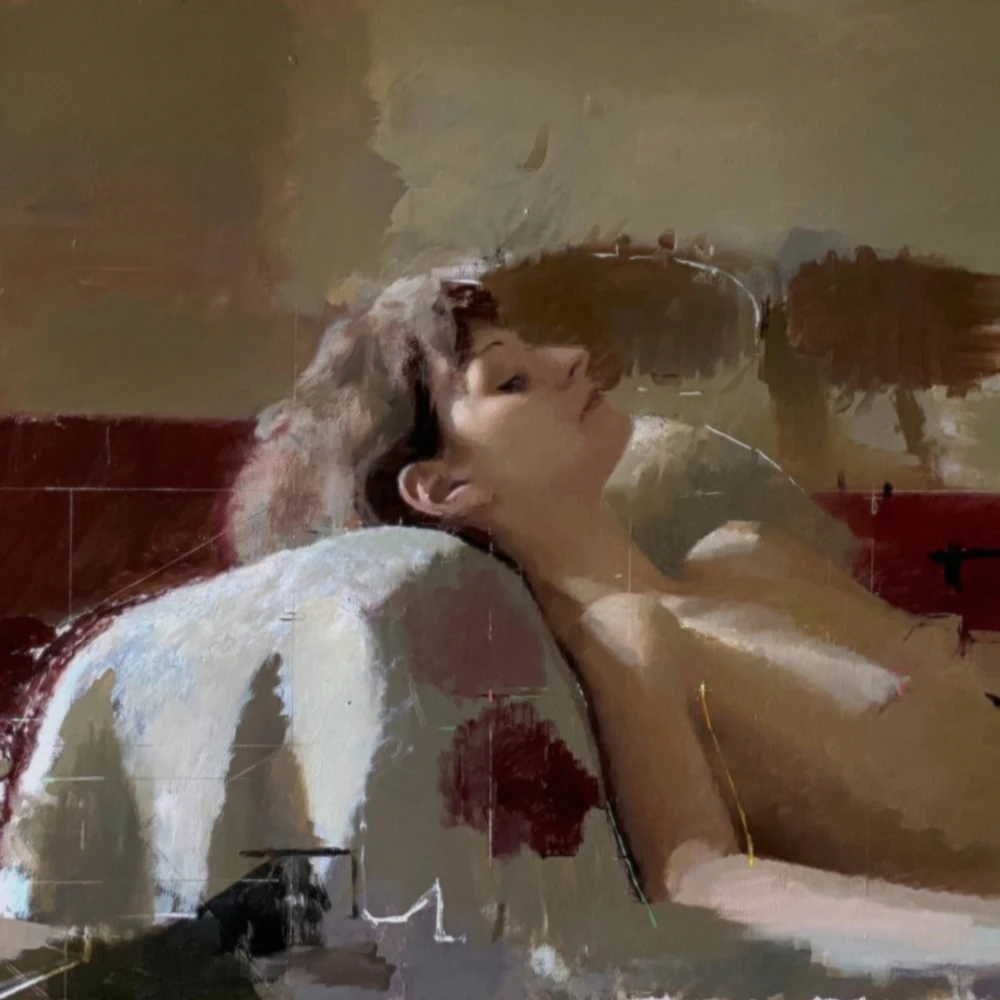

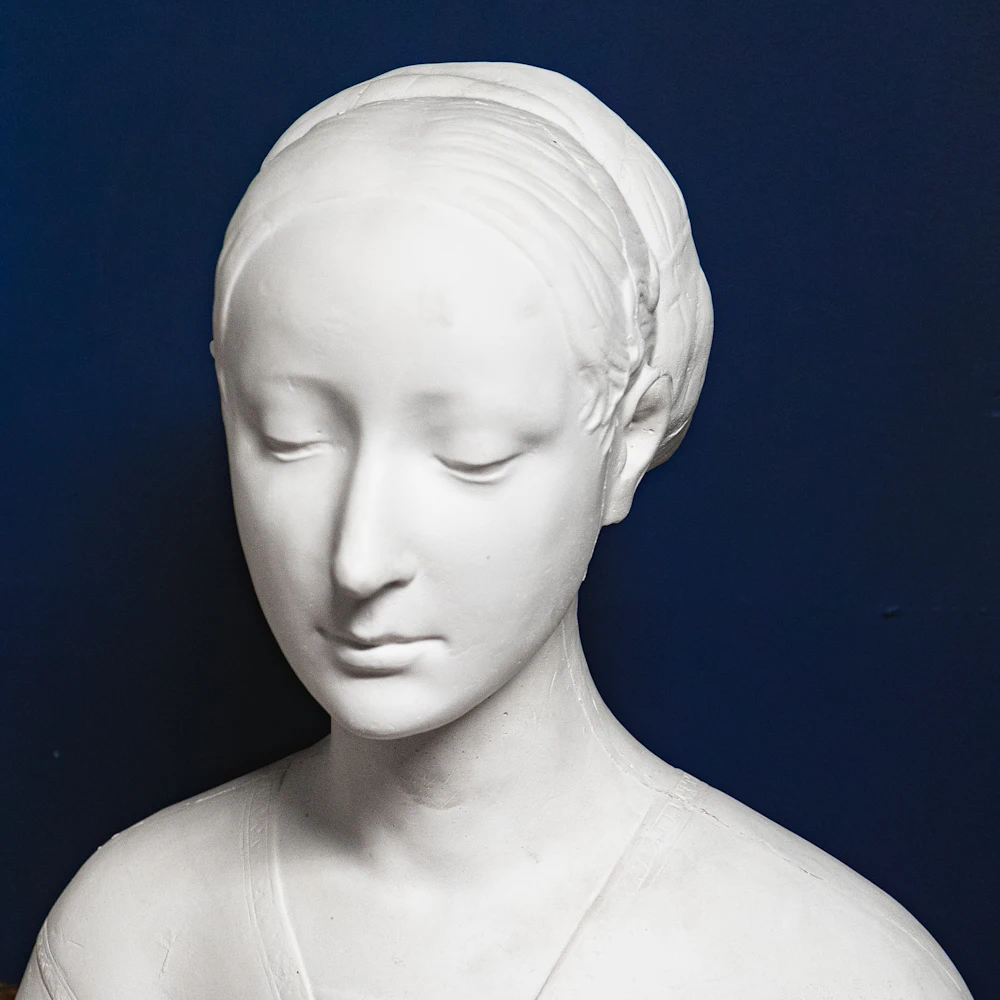

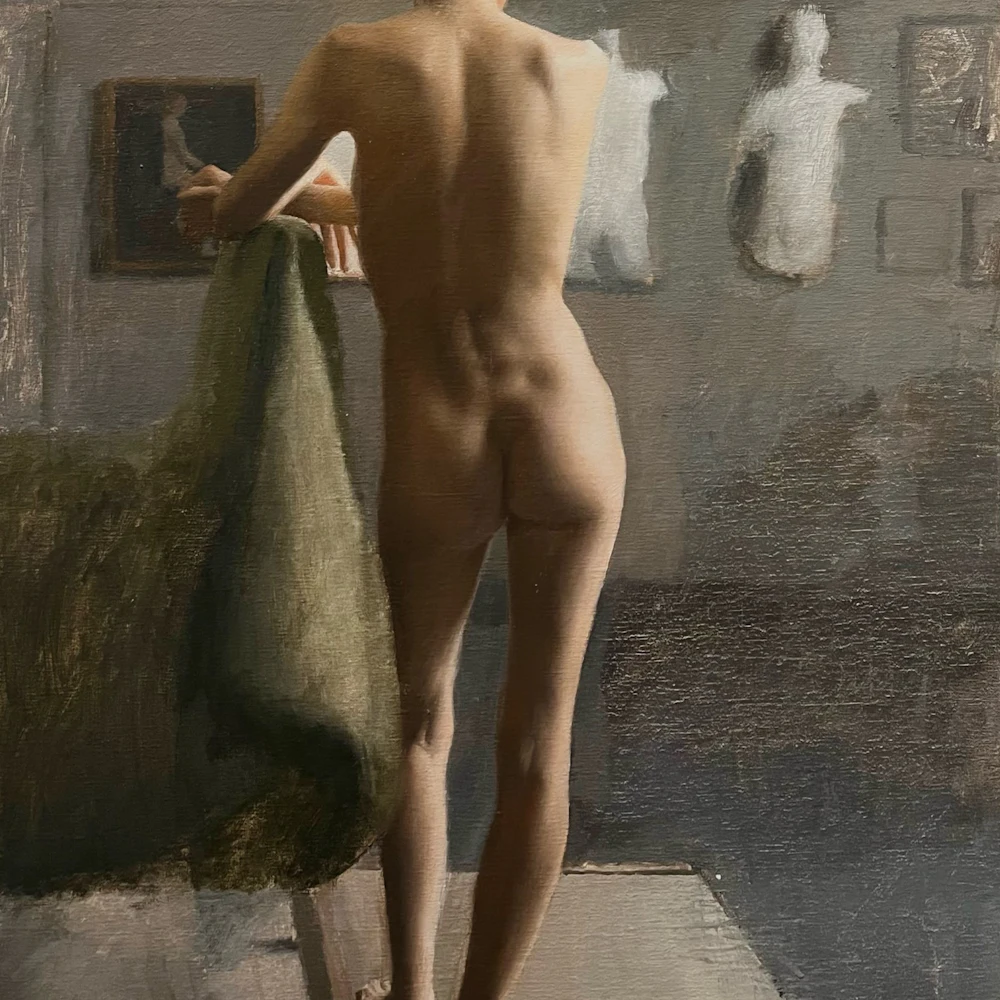

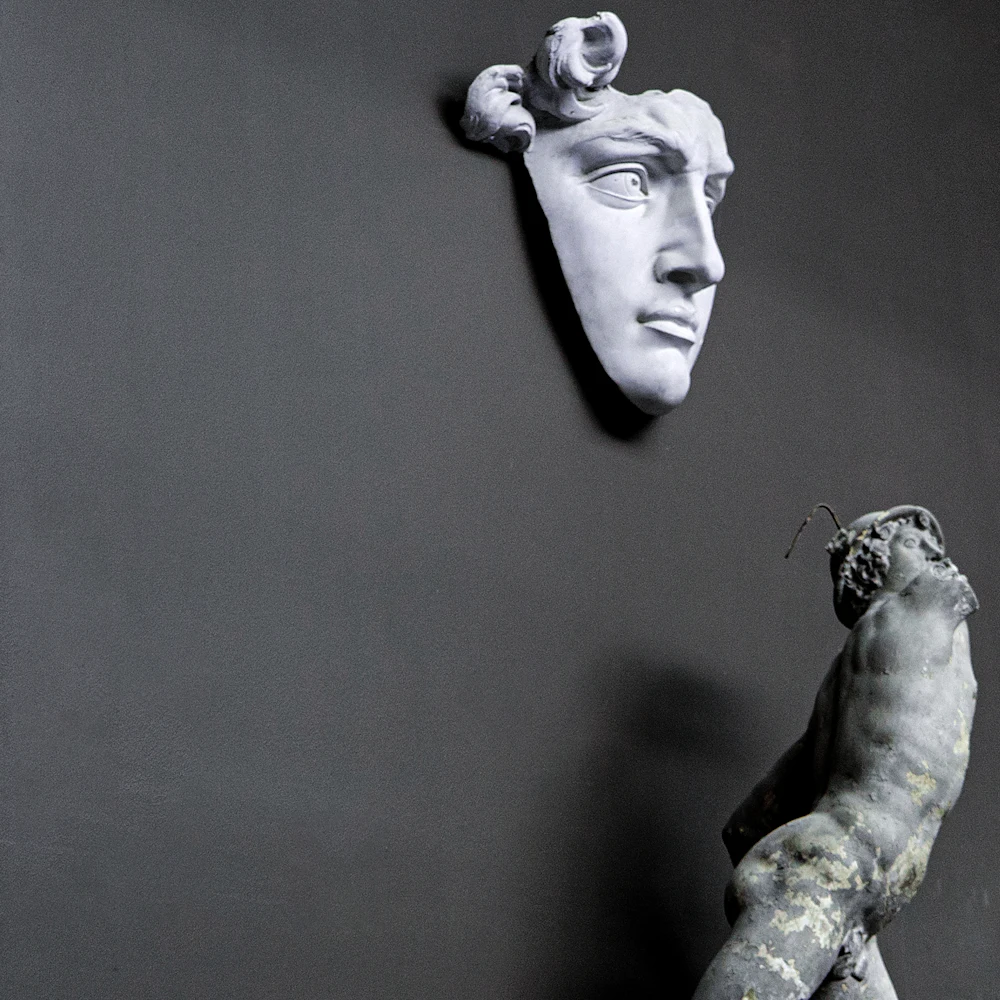







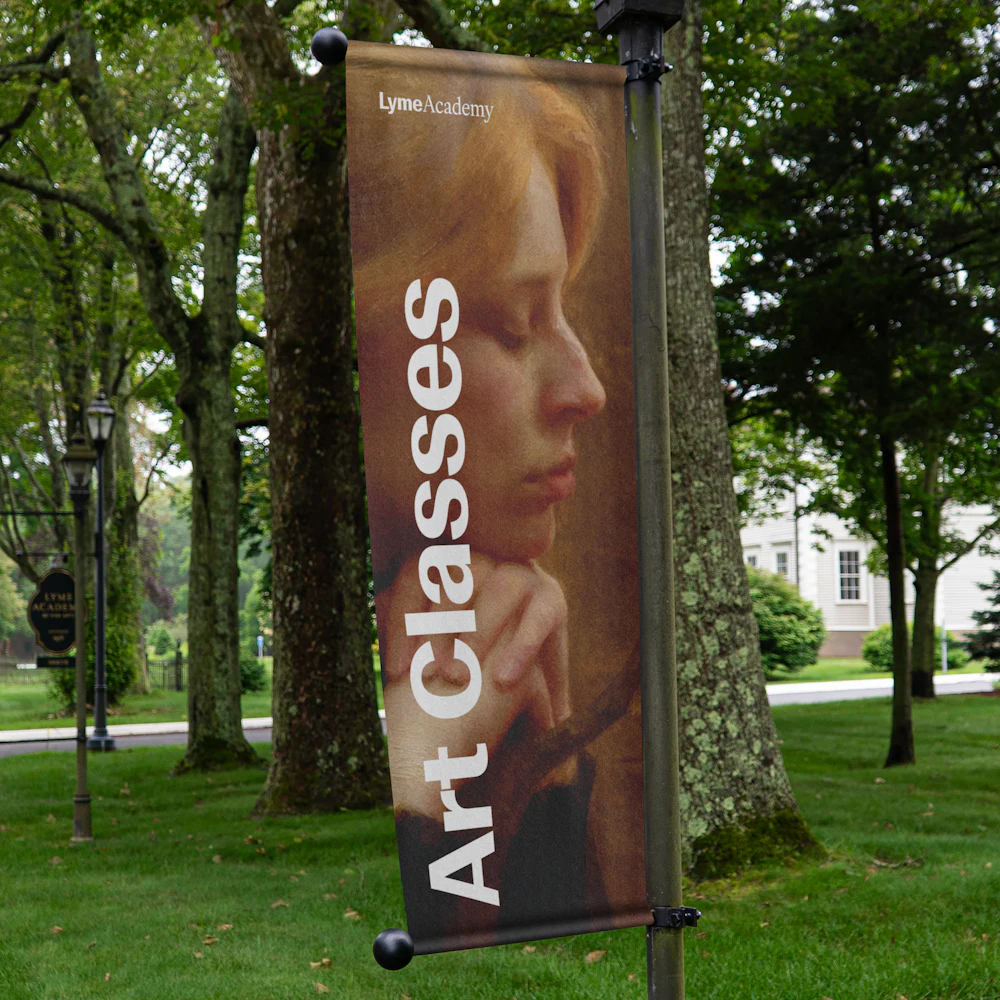

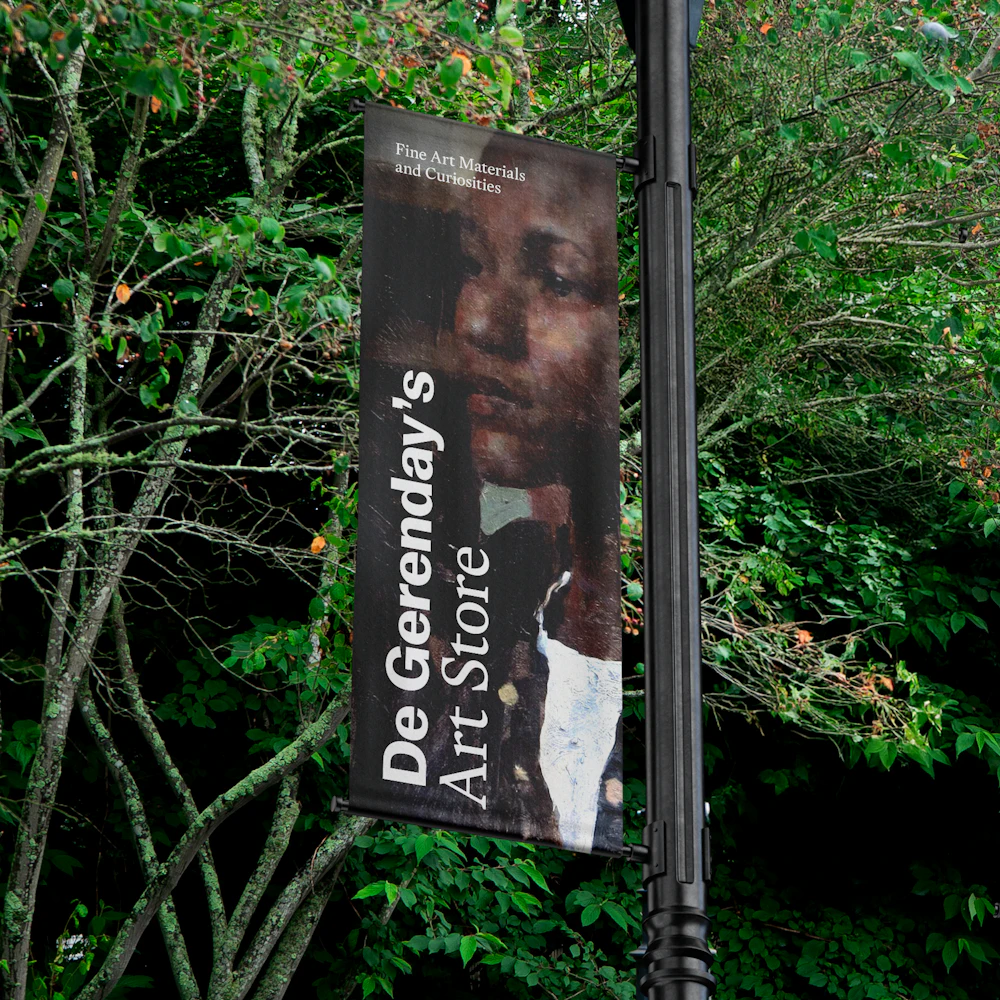

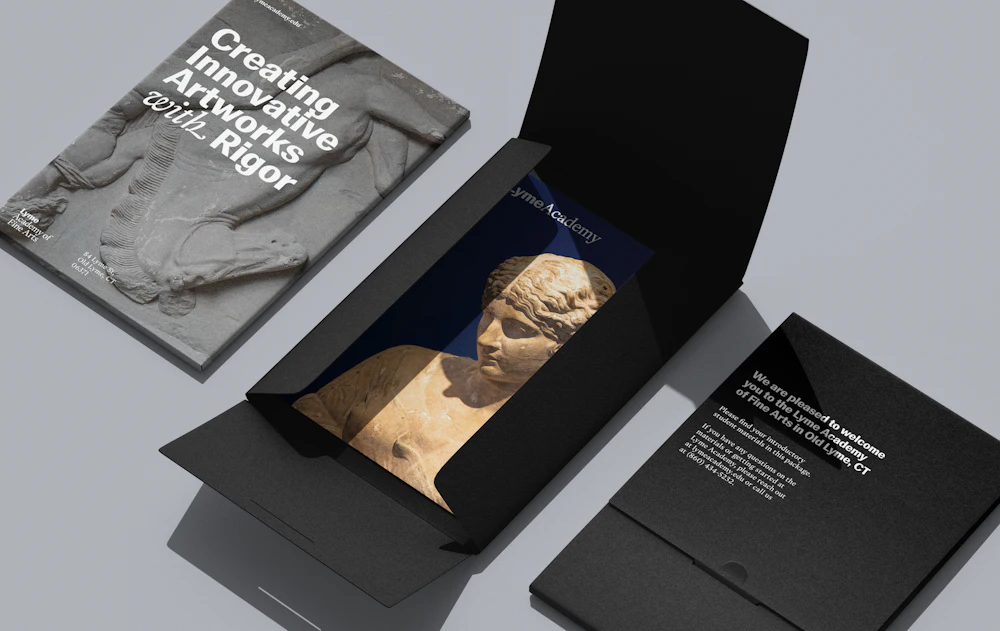



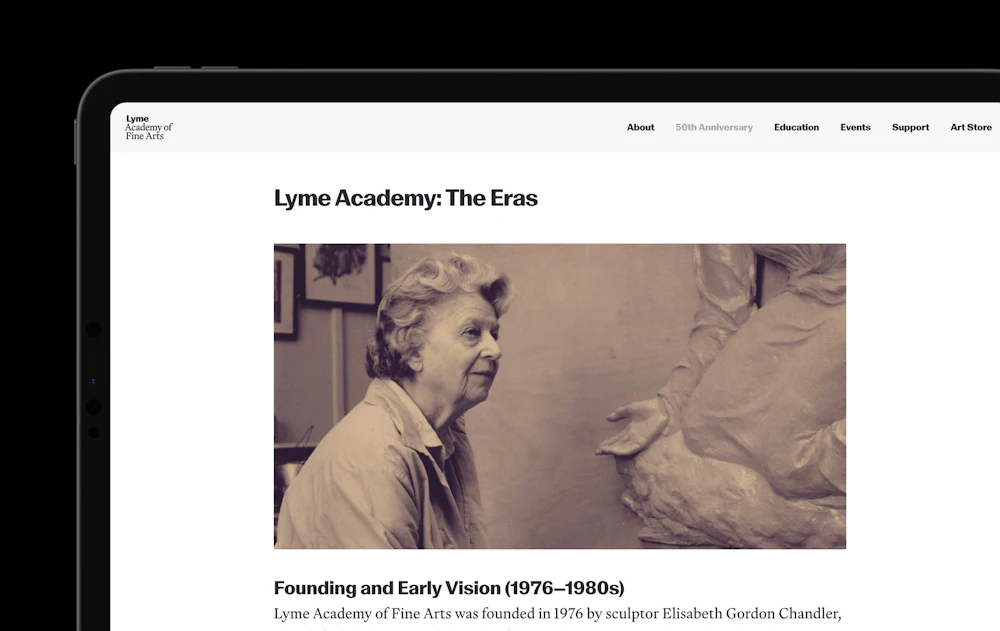

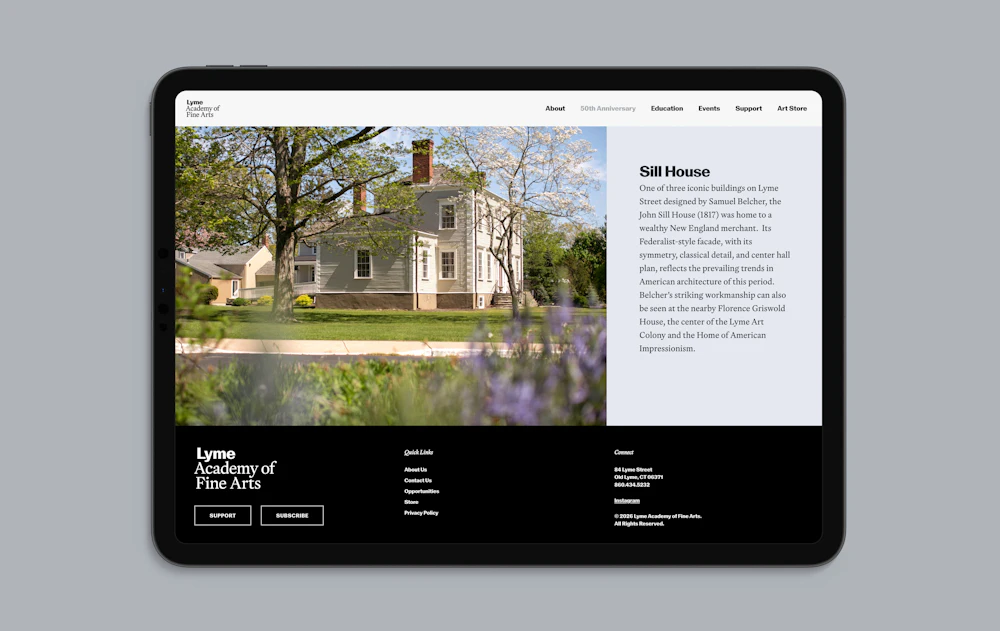
Website design by the team at Lyme Academy of Fine Arts.
See more at lymeacademy.edu→.
50 Years at Lyme
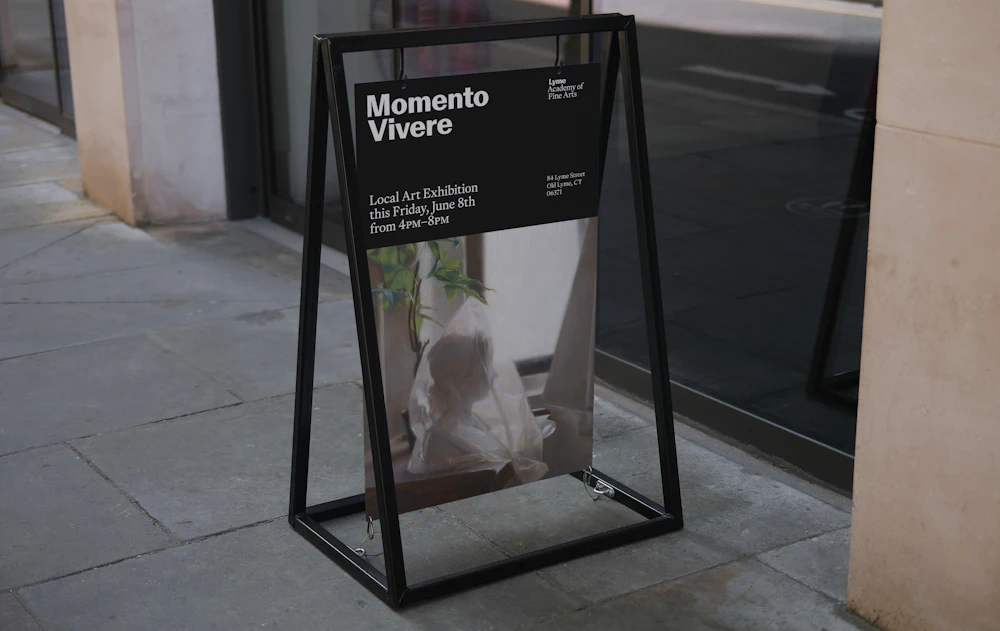
To mark its 50th anniversary, the academy required a suite of identifiers that could be used in promotional materials to celebrate their legacy, showcase contemporary work, and create a unified visual identity for the milestone year.

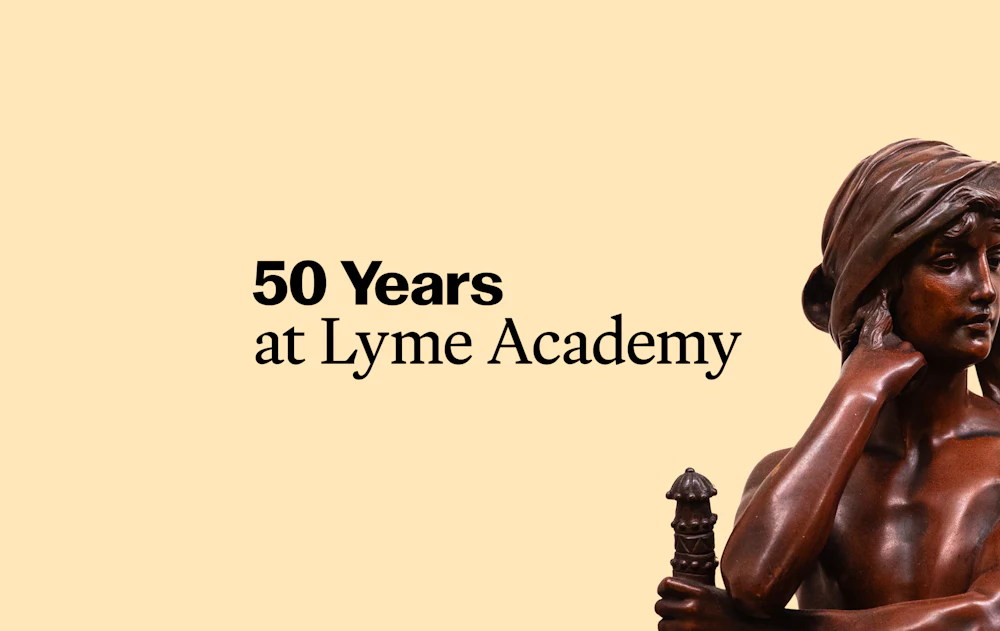


50th Anniversary Tagline.


Event Announcement and Brand Recognition.

Event Announcement.

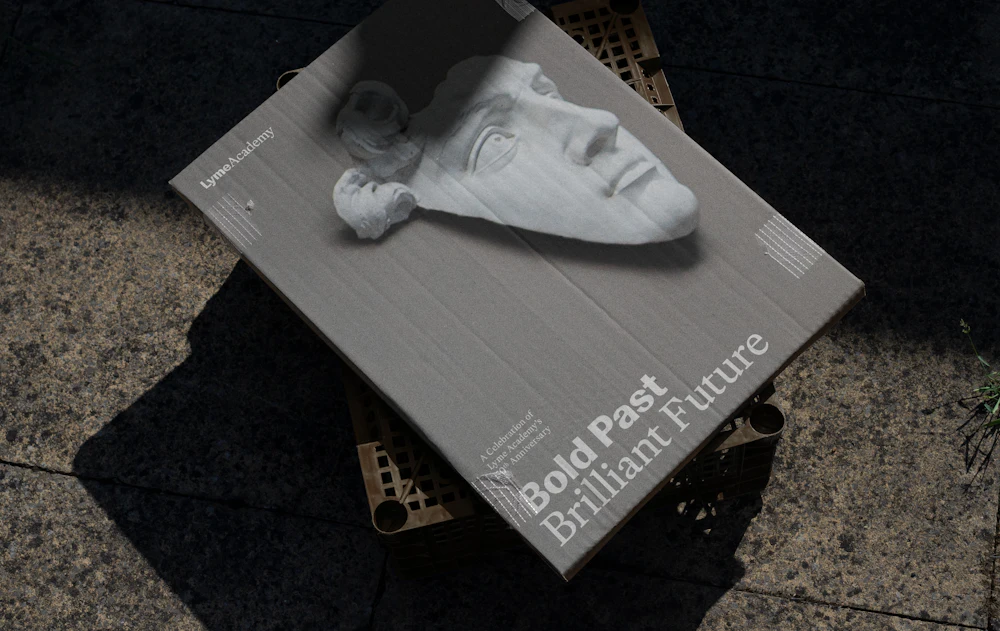

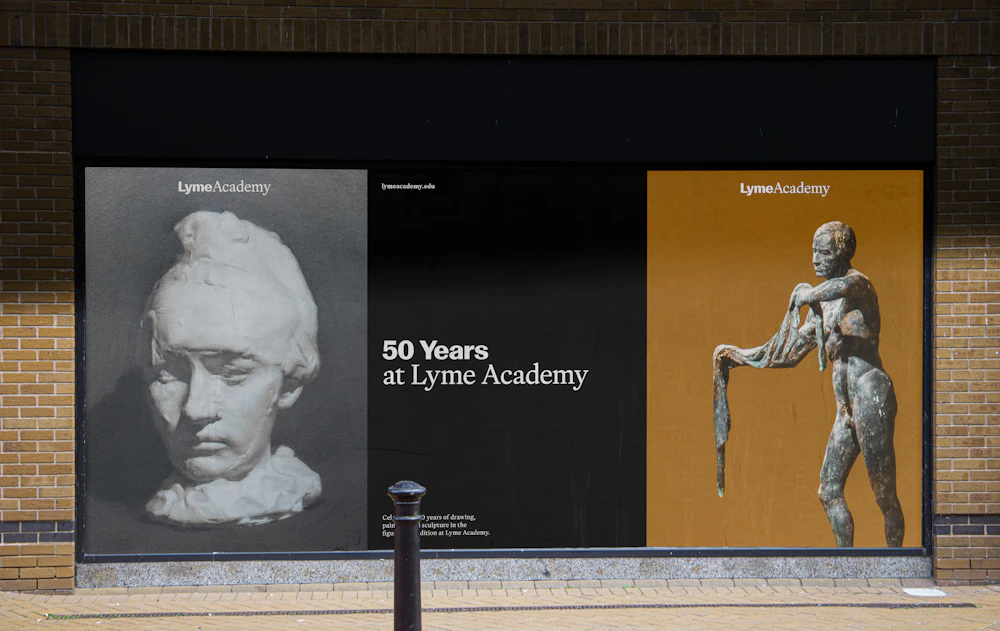

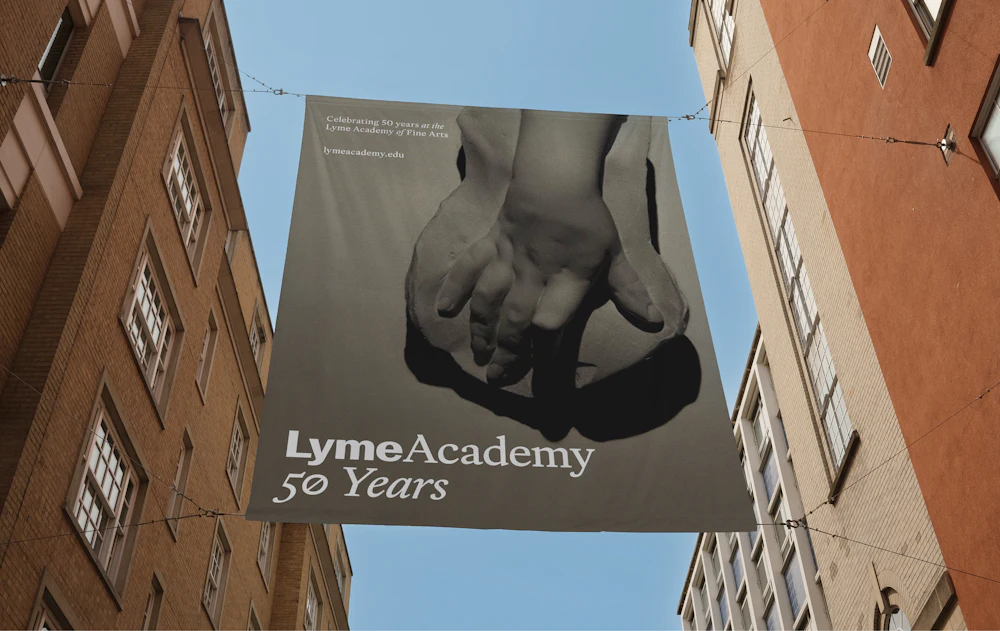

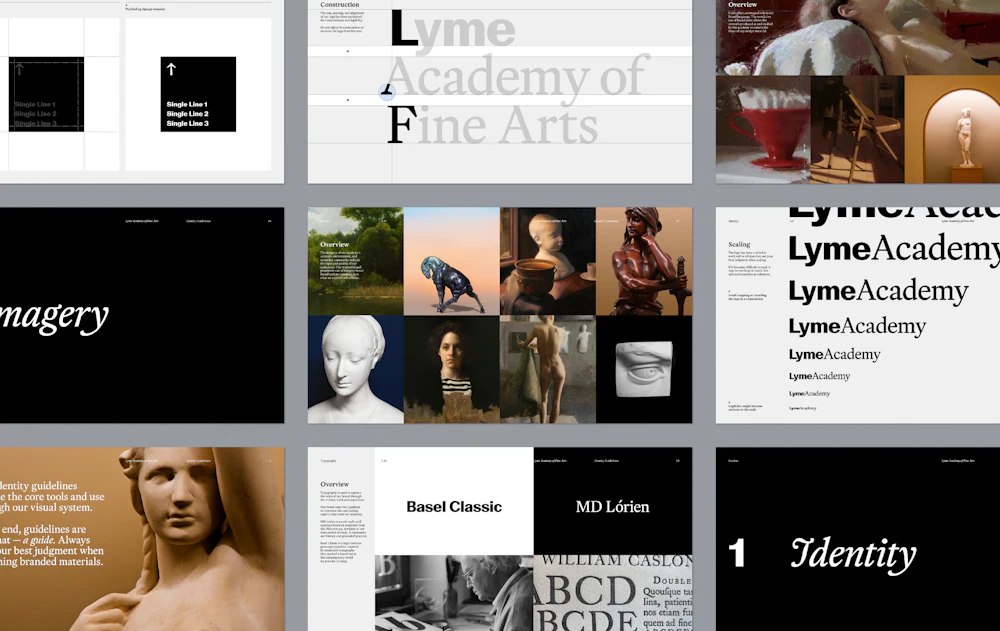
Photo credits (in order of appearance)
The Dragon Cloud, Old Lyme, by Frederick Childe Hassam, 1903, oil on canvas on board. New Britain Museum of American Art; Matilda Browne Sketching Outdoors, Dover Plains, N.Y., 1910. Matilda Browne Scrapbook, Lyme Historical Society Archives at the FloGris Museum; Walter Griffin (1861–1935), Childe Hassam (1859–1935), Henry Rankin Poore (1859–1940), “Landscape With Cow,” 1907. Oil on wood panel. Florence Griswold Museum, Gift Of The Artists; Matilda Browne, Blossoming Flowers on River’s Edge, ca. 1907. Oil on wood. FloGris Museum, Purchase, 2023.1; Willard Leroy Metcalf (1858–1925), May Night, 1906. Oil on canvas, 39 3/16 × 36 1/8 in. Corcoran Collection, Museum Purchase, Gallery Fund; Willard Leroy Metcalf (1858–1925), “Poor Little Bloticelli,” 1907. Oil on wood panel. Florence Griswold Museum, Gift Of The Artist; Queen Anne, Elisabeth Gordon Chandler, bronze, dedicated June 1977, Courthouse Square, Centreville, Maryland. Smithsonian American Art Museum, Art Inventories Catalog (SIRIS ID: 324943); Albert A. Michelson Medal, Elisabeth Gordon Chandler, bronze relief medallion, Hall of Fame for Great Americans, New York University; Awakening Diana, Elisabeth Gordon Chandler, bronze, c. 1960, recorded in auction and collection catalogues (signed example).